
- Origin
- an accord composed by the perfumer (no such tree exists in nature)
- Raw materials
- Cashmeran, musks, woody molecules, vanilla
- Extraction
- synthesis
- Olfactory group
- woody-musky
- Position in the pyramid
- base
- Synthetic substitutes
- Cashmeran, woody-musky bases
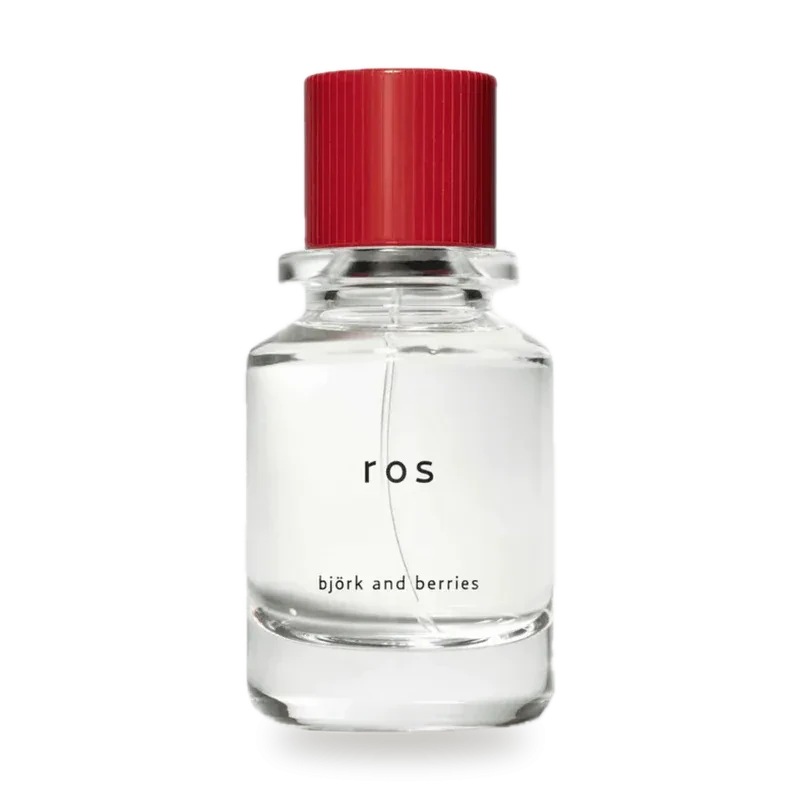
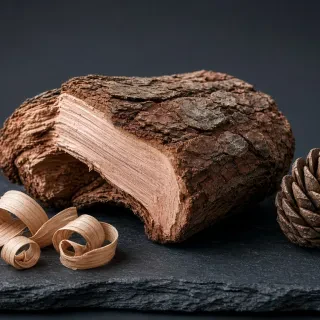
“Cashmere wood” is a poetic name for an accord, not a real tree: no such tree exists in nature. Perfumers build it from the soft molecule Cashmeran, musks and smooth woody notes to convey the warmth and softness of a cashmere sweater.
How it smells: fluffy, warm and skin-like: soft wood, musk, a faintly spicy and powdery shade, a light sweetness. Cashmere wood sounds cosy, enveloping and very close to the body.
Such accords are called “textural”: they convey not so much the smell of an object as the sensation of touch. So cashmere wood often sits in the base of fragrances meant to feel soft, warm and expensive on the skin.
What it pairs with: with vanilla and amber — cosy warm compositions, with musk — a “second skin”, with rose — “rose on wool”, with iris — powdery softness, with sandalwood — creamy wood.
Good to know: next to “cashmere wood” pyramids also feature other invented “trees” — “cloud wood” or “velvet wood”: this is how perfumers describe accords with a sense of texture.