Vanilla
93 fragrances with this note
Part of accords: Amber, Vanilla, Sweet, Gourmand
-
-

-

-


- Latin name
- Vanilla planifolia
- Family
- Orchid family (Orchidaceae)
- Origin
- Madagascar, Réunion (“Bourbon”), Mexico, Tahiti, Uganda
- Parts used
- cured pods (fruits) of the orchid
- Raw materials
- absolute, CO₂ extract, tincture
- Extraction
- solvent or CO₂ extraction
- Olfactory group
- gourmand, amber (oriental)
- Position in the pyramid
- base
- Synthetic substitutes
- vanillin, ethyl vanillin
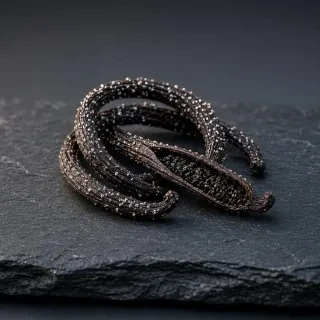
Vanilla comes from the pods of a climbing orchid. Each flower lives for a single day, and outside Mexico (where local bees pollinate it) every flower is pollinated by hand — a method discovered in 1841 by twelve-year-old Edmond Albius on the island of Réunion. Green pods have no scent of their own: the aroma appears after several months of curing and drying.
How it smells: a warm, sweet, creamy, balsamic note. Bourbon vanilla from Madagascar is deeper, with a smoky-leathery shade; Tahitian vanilla (Vanilla tahitensis) is floral and fruity. Vanilla adds comfort and an enveloping feel to a composition and lasts long in the base.
At the end of the nineteenth century chemists synthesised vanillin — the main odour molecule of vanilla — and then ethyl vanillin, which is even stronger. They made vanilla affordable and went into legendary fragrances; natural absolute remains one of the more expensive materials today.
What it pairs with: with tonka bean, heliotrope and benzoin vanilla turns powdery and almond-like, with tobacco, rum and leather — smoky and grown-up, with rose and peach — tenderly floral, with sandalwood and musk — soft, “like warm skin”. In fresh fragrances even a drop of vanilla in the base makes the sound warmer and friendlier.
Good to know: after saffron, vanilla is one of the most expensive spices in the world: a kilogram of dried pods takes several hundred flowers, each pollinated by hand on the only day it blooms.
Fragrances with Vanilla