- Origin
- a synthetic molecule (1970s)
- Raw materials
- Cashmeran
- Extraction
- synthesis
- Olfactory group
- woody-musky
- Position in the pyramid
- heart and base
- Synthetic substitutes
- related musky-woody molecules
Cashmeran is a synthetic molecule created in the 1970s. It does not smell of cashmere: the name reflects the softness and warmth it gives a fragrance, as if wrapping the skin in fine wool.
How it smells: a fluffy, warm, musky-woody scent with a spicy, faintly powdery and mossy-earthy shade. At once slightly “dusty”, like warm wood in the sun, and very soft and skin-like.
Cashmeran is one of those “invisible” ingredients that make a fragrance richer and fuller. It smooths transitions between notes and adds a velvety “down” to a composition, so it is often placed in the base of woody, musky and floral fragrances.
What it pairs with: with musk and iris — soft “cashmere” compositions, with vanilla and amber — warm comfort, with rose and peony — “flowers on wool”, with cedar and sandalwood — velvety wood, with incense — quiet powdery smoke.
Good to know: in fragrance pyramids Cashmeran often hides under the names “cashmere wood” or “cashmere notes” — no such tree exists in nature.
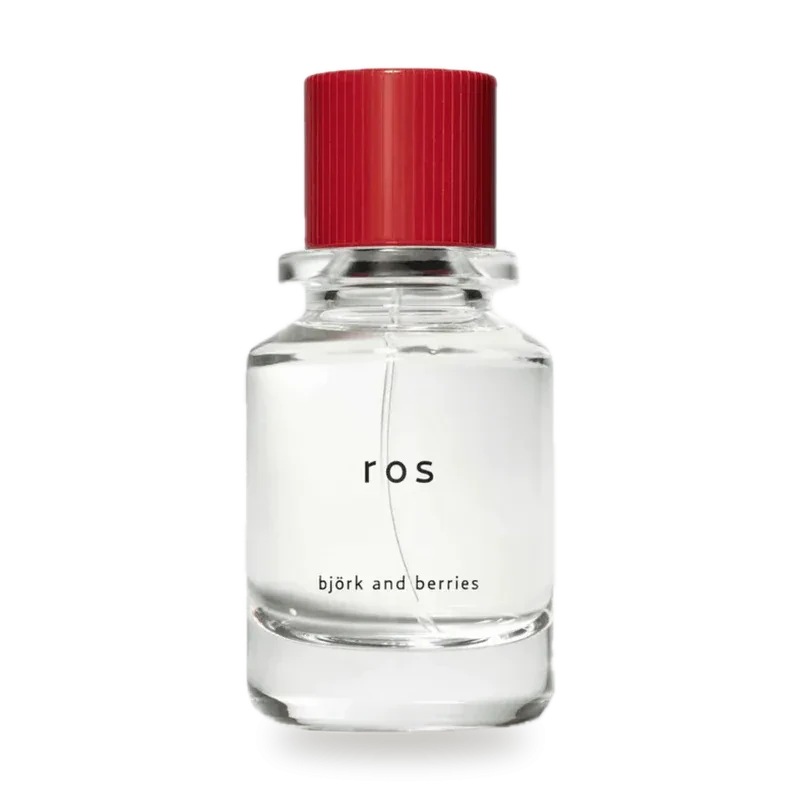
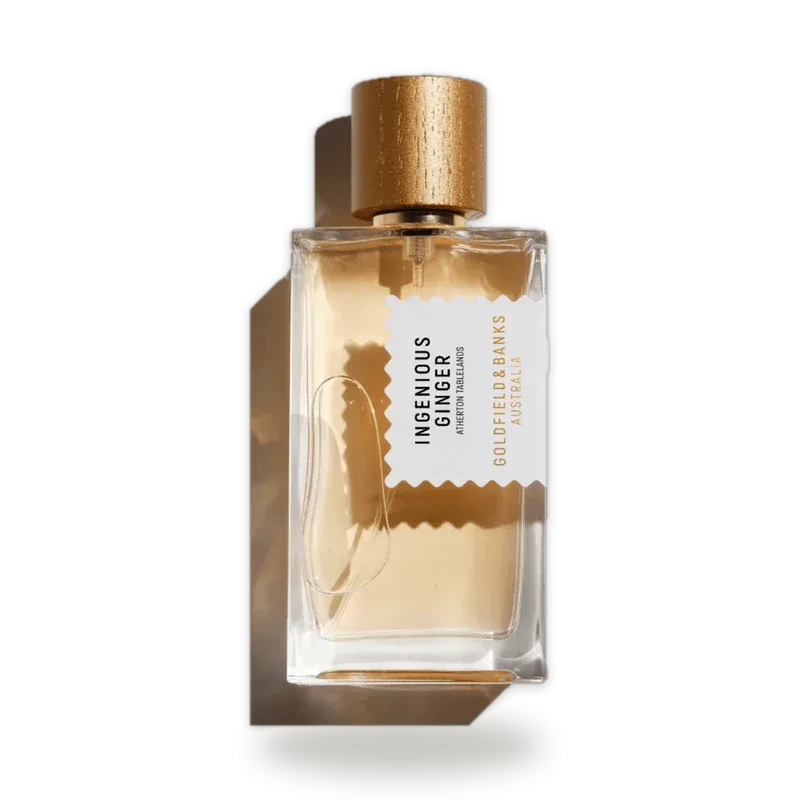
Fragrances with Cashmeran (Woody Musk)