Cedarwood
82 fragrances with this note
Part of accords: Woody, Dry, Dry wood
-
-


- Latin name
- Cedrus atlantica; Juniperus virginiana, Juniperus ashei
- Family
- Pine family (Pinaceae); Cypress family (Cupressaceae)
- Origin
- Morocco (Atlas), USA (Virginia, Texas), China, the Himalayas
- Parts used
- wood (sawdust, stumps, sawmill waste)
- Raw materials
- essential oil
- Extraction
- steam distillation of the wood
- Olfactory group
- woody
- Position in the pyramid
- base
- Synthetic substitutes
- Iso E Super, Vertofix, Cedramber
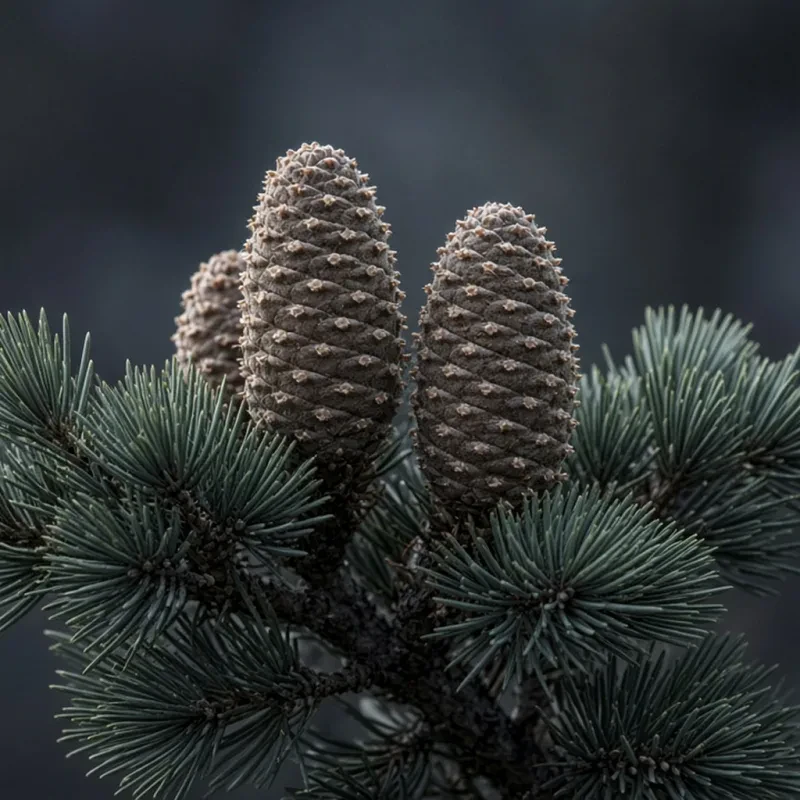
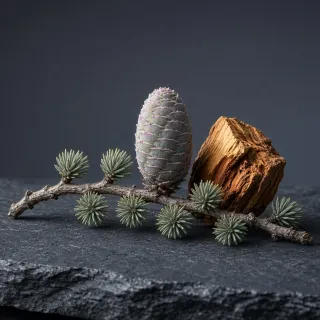
“Cedar” in perfumery is a collective name. The true cedars are the Atlas cedar from the mountains of Morocco and the Himalayan cedar, while the most common “cedarwood” oils from Virginia and Texas are actually obtained from junipers. They smell alike, so fragrance descriptions combine them into one note.
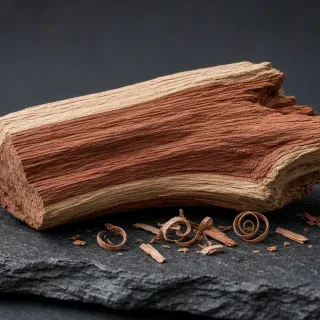
How it smells: dry, clean, “pencil-shavings” wood. Virginia cedar is light and straight, Atlas cedar warmer, with a honeyed-leathery shade, Himalayan cedar smokier. Cedar gives a fragrance a clear structure and a sense of neatness.
The oil is made from wood left over from sawmills, which makes cedar one of the most affordable natural woody materials. Chemists also derive a whole family of woody molecules from cedarwood oil, and modern woody fragrances rest on them.
What it pairs with: with bergamot and lavender — classic masculine fougères, with iris and violet — powdery woods, with vetiver and patchouli — dry woody compositions, with rose — the modern “rose on wood”. Cedar often sits in the base to hold the shape of a fragrance.
Good to know: the smell of a freshly sharpened pencil is exactly Virginia “cedar”: most of the world's pencils were once made from this wood.
Fragrances with Cedarwood