- Latin name
- Convallaria majalis
- Family
- Asparagus family (Asparagaceae)
- Origin
- the scent is created in the laboratory
- Parts used
- no material is obtained from the flowers — a “mute flower”
- Raw materials
- synthetic molecules with a lily-of-the-valley scent
- Extraction
- synthesis
- Olfactory group
- floral (fresh)
- Position in the pyramid
- heart
- Synthetic substitutes
- hydroxycitronellal, Florosa, Mayantol, Mugetanol, Bourgeonal
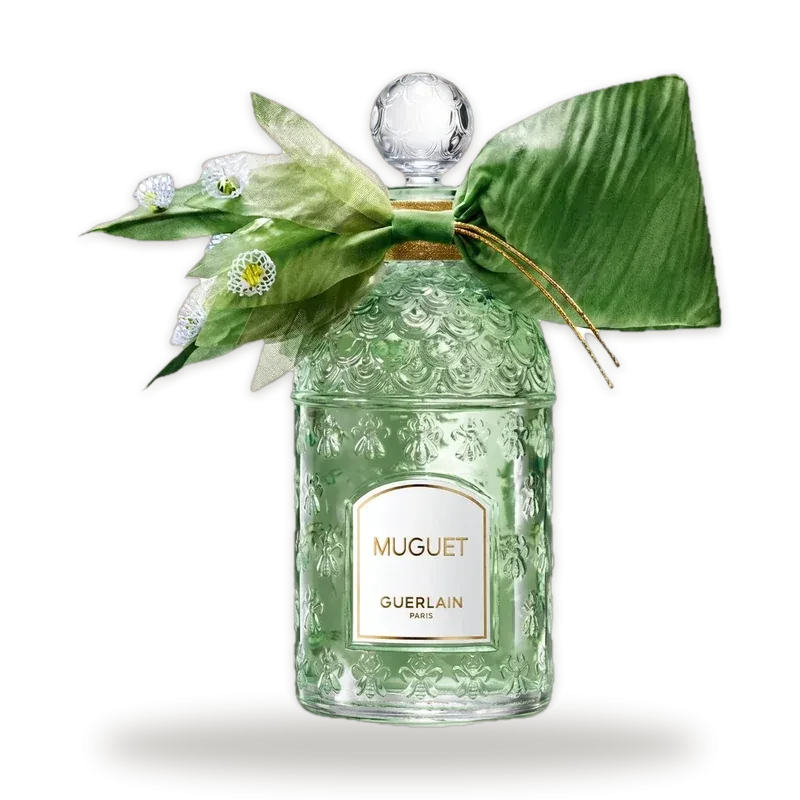
Lily of the valley is perfumery's “mute flower”: it smells wonderful, but obtaining an extract from it is practically impossible. So the entire lily-of-the-valley scent in perfume is the craft of chemists and perfumers, who recreate it from dozens of molecules.
How it smells: fresh, transparent, slightly green and watery, with honeyed sweetness and a feel of spring dew. Lily of the valley sounds clean and bright, like “spring in the woods”, and makes a floral bouquet airy.
For a long time the main lily-of-the-valley molecules were Lilial and Lyral, but the EU banned them over potential health risks. Modern fragrances use new, safe molecules — so older and newer lily-of-the-valley perfumes may smell slightly different.
What it pairs with: with jasmine and rose — the classic white floral bouquet, with lilac and hyacinth — spring compositions, with citrus and greens — fresh ones, with musk — clean “fresh laundry” scents, with iris — powdery florals.
Good to know: in France there is a tradition of giving loved ones sprigs of lily of the valley for luck on 1 May. The plant itself is poisonous — best admired without trying to taste it.
Fragrances with Lily of the Valley