- Latin name
- Malus domestica
- Family
- Rose family (Rosaceae)
- Origin
- the scent is created in the laboratory
- Parts used
- no perfumery material is obtained from the fruit
- Raw materials
- fruity esters and accords
- Extraction
- synthesis
- Olfactory group
- fruity
- Position in the pyramid
- top note
- Synthetic substitutes
- hexyl acetate, Manzanate, Verdelia (fruity-green molecules)
Apple, like most fruits, gives no perfumery material: a lasting extract cannot be obtained from its flesh. So the apple note is composed from fruity esters — molecules naturally present in ripe apples that make their smell so recognisable.
How it smells: juicy, crisp and fresh — from a sour green, “just picked” apple to a sweet baked one with cinnamon. Green apple sounds cool and lively, red apple softer and more honeyed.
In the 1990s green apple became the symbol of “clean”, youthful and sporty fragrances, and today it often appears in niche perfumery in unexpected pairings — with oud, tobacco or leather.
What it pairs with: with bergamot and mint — fresh summer fragrances, with cinnamon and vanilla — “apple pie”, with rose — fruity-floral classics, with oud and tobacco — a modern contrast, with musk — light, transparent compositions.
Good to know: scientists count dozens and even hundreds of volatile substances in the smell of an apple, and each variety has its own set — which is why Granny Smith and Golden Delicious smell so different.
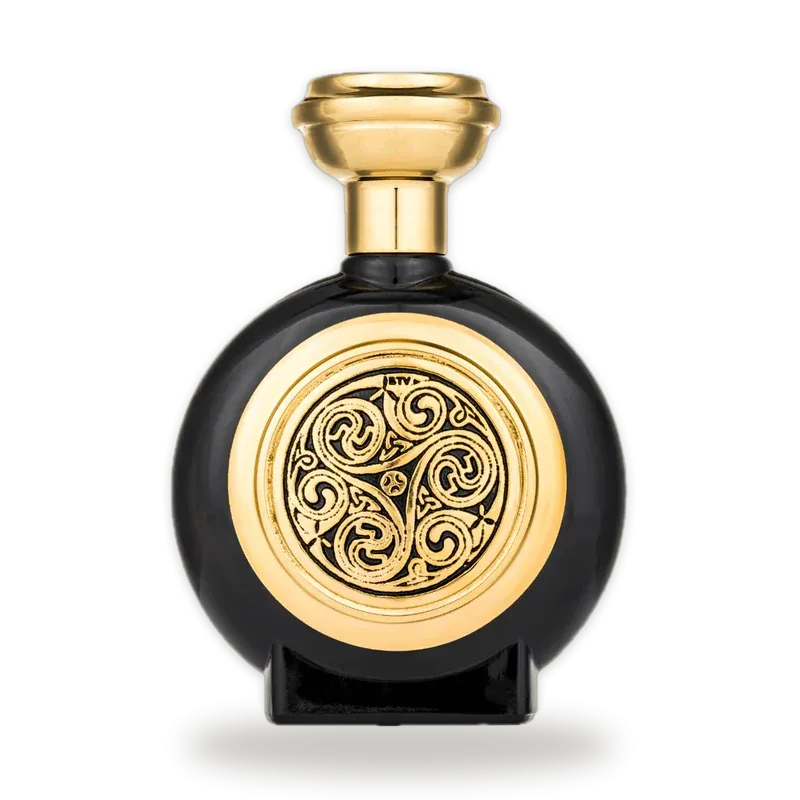
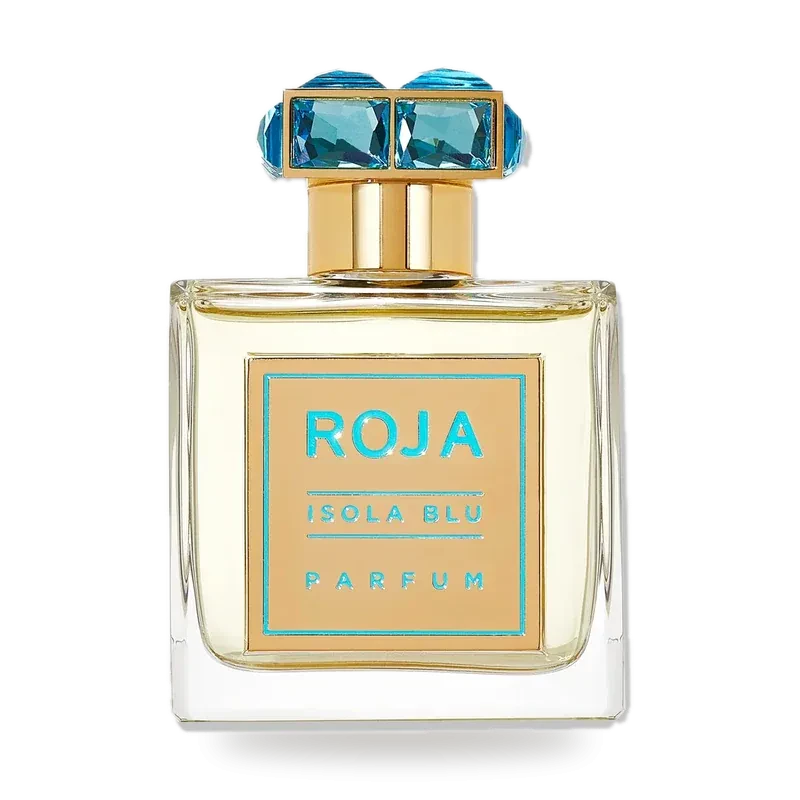
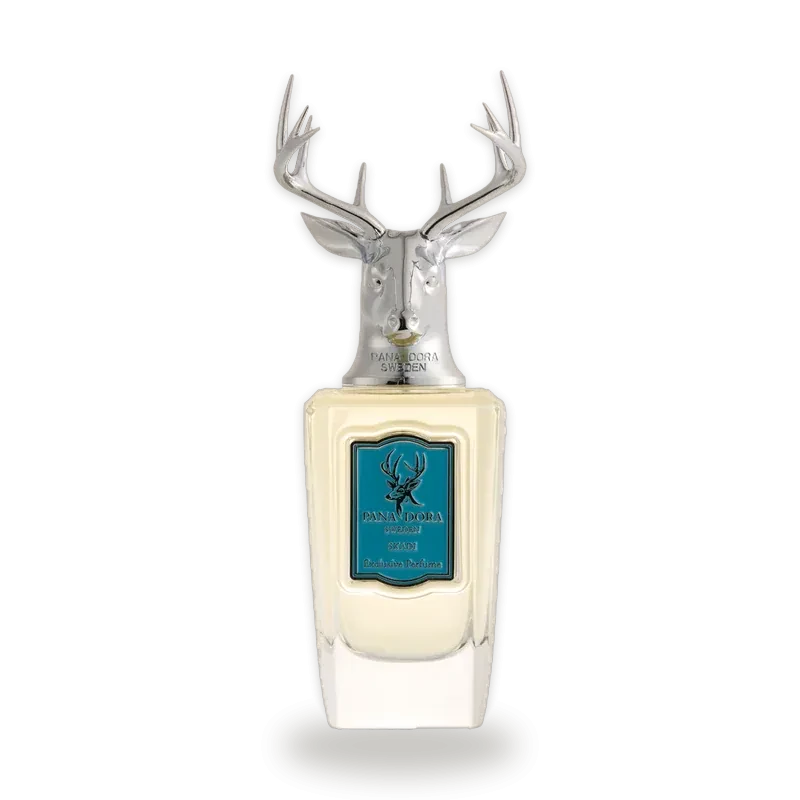
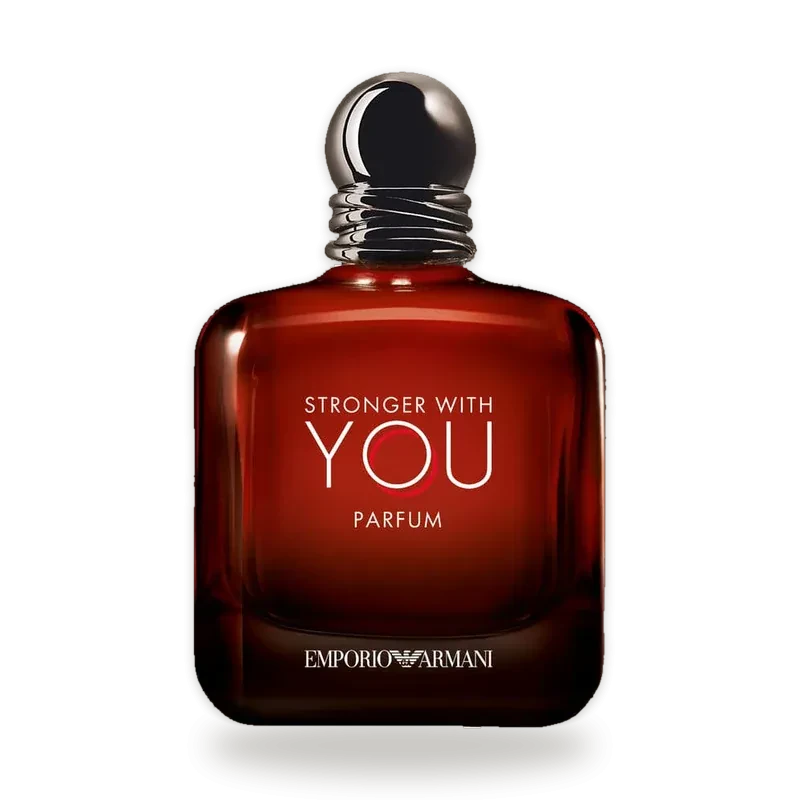
Fragrances with Apple