

- Latin name
- Rubus idaeus
- Family
- Rose family (Rosaceae)
- Origin
- the scent is created in the laboratory
- Parts used
- practically no perfumery material is obtained from the berries
- Raw materials
- fruity accords
- Extraction
- synthesis
- Olfactory group
- fruity
- Position in the pyramid
- top and heart
- Synthetic substitutes
- raspberry ketone, ionones, fruity lactones
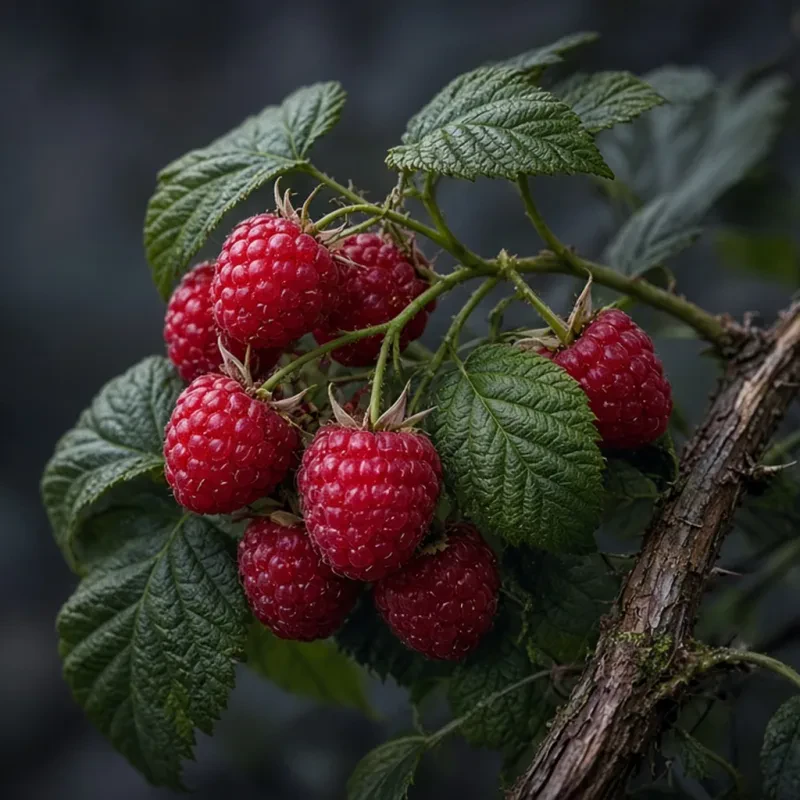
Raspberry, like most berries, gives no lasting perfumery material, so its scent is recreated as an accord. The main raspberry molecule is simply called raspberry ketone, while the berry's floral shade comes from ionones — the same ones heard in violet.
How it smells: juicy, sweet-sour and slightly powdery: ripe berry, jam and violet softness. Raspberry makes a fragrance playful, bright and a little indulgent.
Thanks to shared ionones, raspberry naturally gets along with violet and rose — no wonder the rose-and-raspberry pairing has become one of the most popular in modern perfumery, from light to deep “dark” roses.
What it pairs with: with rose — a modern berry rose, with violet — powdery-berry classics, with patchouli — a dark fruity chypre, with vanilla — a “raspberry pastry”, with saffron and oud — oriental berry luxury.
Good to know: botanically a raspberry is not a berry but an aggregate fruit: each of its little beads is a separate small fruit with its own seed.
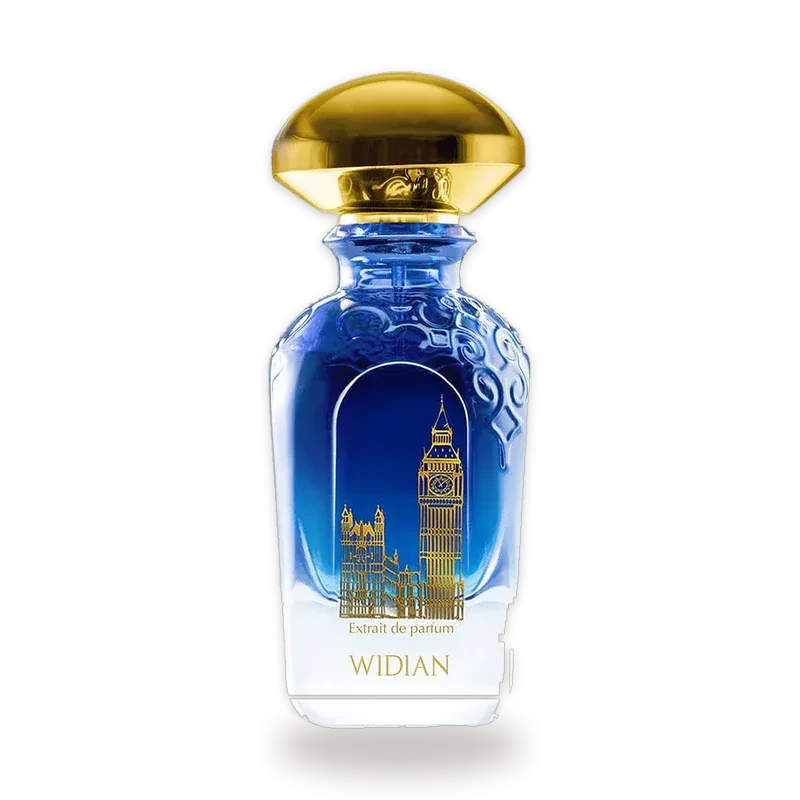
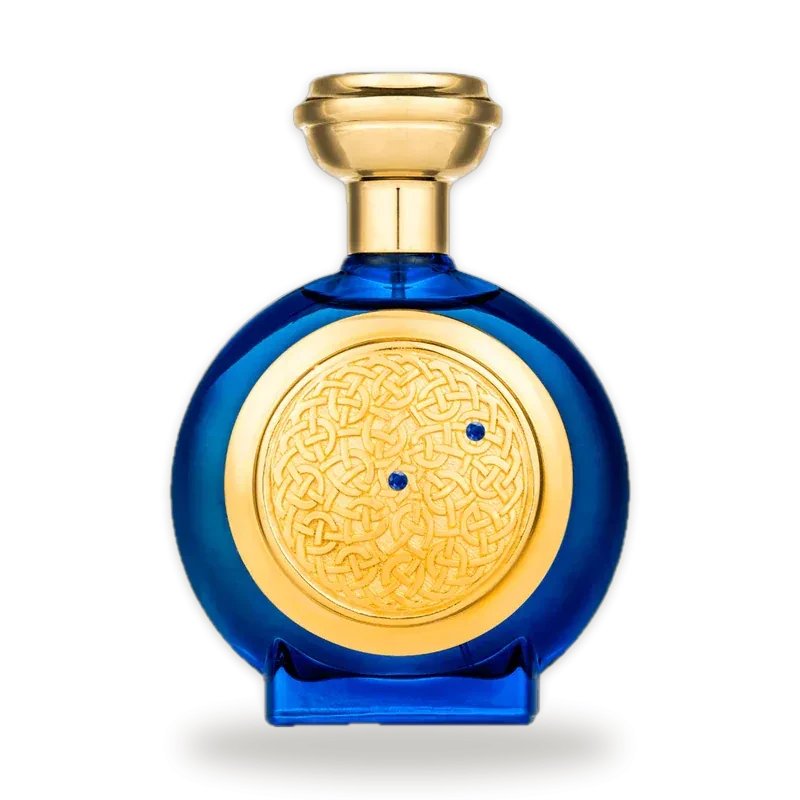
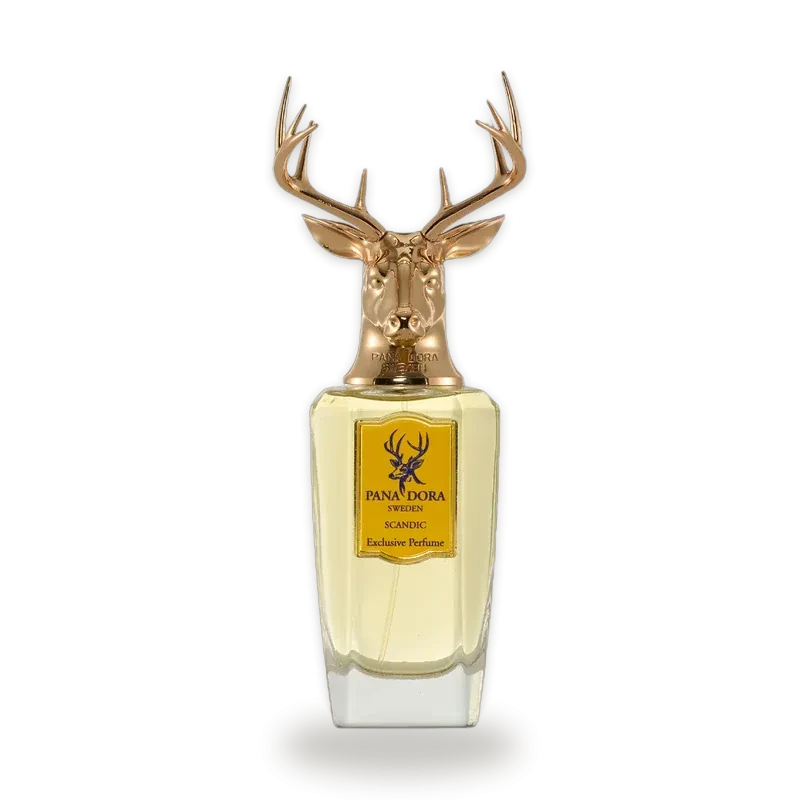
Fragrances with Raspberry