Ambroxan (Ambergris)
26 fragrances with this note
-

-

-
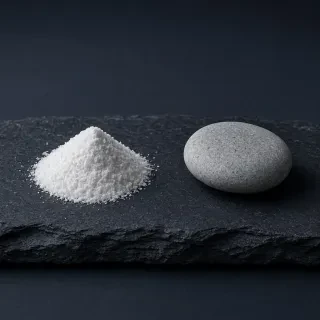


- Origin
- a synthetic molecule; starting material — sclareol from clary sage
- Raw materials
- Ambroxan / Ambrox (ambroxide)
- Extraction
- synthesis (including biotechnological)
- Olfactory group
- amber, woody
- Position in the pyramid
- base
- Synthetic substitutes
- Cetalox, Ambrocenide, Ambermatrix (related molecules)
Ambroxan is a synthetic molecule created to recreate the key scent of ambergris without any animal involvement. It is made from sclareol, a substance from clary sage, and today also by biotechnology.
How it smells: warm, mineral, slightly salty and skin-like — like tanned skin after the sea. Ambroxan is at once woody and ambery, dry and enveloping; it is not sweet, yet very pleasant and modern.
Ambroxan is one of the molecules that defined the sound of twenty-first-century perfumery. It gives a fragrance volume, radiance and huge longevity, so it sits in the base of many popular masculine and unisex fragrances, and some are built almost entirely on it.
What it pairs with: with bergamot and pepper — fresh modern masculine fragrances, with marine notes — the smell of the sea on skin, with vanilla — warm salty sweetness, with woods and vetiver — dry woody-amber compositions, with rose — a modern “mineral” rose.
Good to know: as with Iso E Super, some people barely smell Ambroxan on themselves, although others notice its trail: the molecule sits very close to the skin.
Fragrances with Ambroxan (Ambergris)