

- Origin
- a synthetic molecule (1960s)
- Raw materials
- Hedione (methyl dihydrojasmonate)
- Extraction
- synthesis
- Olfactory group
- floral (fresh, airy)
- Position in the pyramid
- heart
- Synthetic substitutes
- Hedione HC (a more concentrated form), Paradisone
Hedione is a synthetic molecule discovered in the 1960s while studying the scent of jasmine: it was found among substances naturally present in the flowers. The name comes from the Greek “hedone”, pleasure.
How it smells: light, transparent and fresh: an airy jasmine without heaviness, with a citrusy, faintly tea-like and radiant shade. On its own Hedione sounds quiet, but it makes the whole composition broader and brighter.
The first major fragrance to use Hedione at full strength is considered to be a classic masculine cologne of the mid-1960s. Since then the molecule has become one of the most widely used in the world: it goes almost everywhere, from fresh citrus scents to luxurious florals.
What it pairs with: with bergamot and lemon — radiant colognes, with jasmine and magnolia — transparent florals, with rose — a fresh, airy rose, with musk — clean skin scents, with vetiver — fresh elegance.
Good to know: Hedione is often called the “air” of perfumery: it has almost no bright smell of its own, yet without it many fragrances would sound flat.
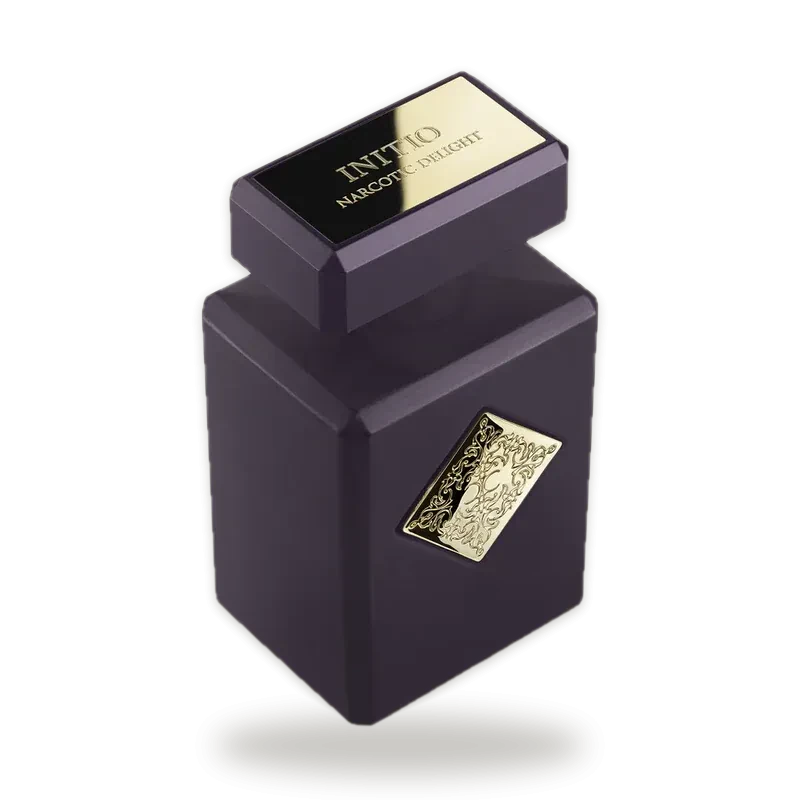
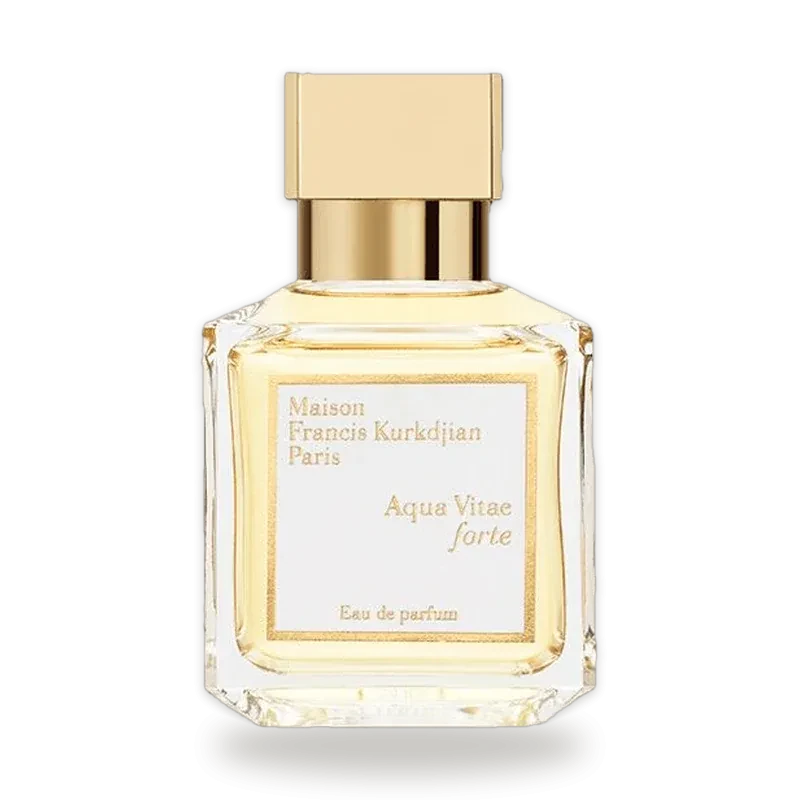
Fragrances with Hedione (Light Jasmine)