





- Latin name
- Angelica archangelica
- Family
- Carrot family (Apiaceae)
- Origin
- Belgium, France, Hungary
- Parts used
- roots and seeds
- Raw materials
- root essential oil, seed oil
- Extraction
- steam distillation
- Olfactory group
- aromatic, musky (green)
- Position in the pyramid
- top and heart
- Synthetic substitutes
- macrocyclic musks, herbal bases
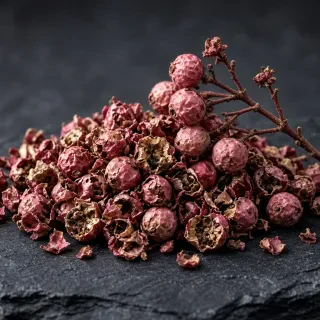
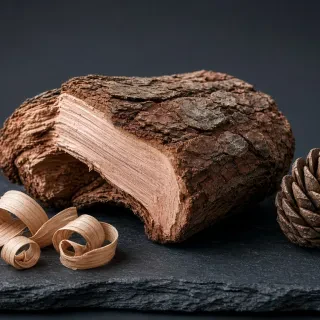
Angelica is a tall plant of the carrot family with large globe-shaped flower umbels. For perfumery the root oil is considered the most valuable, while the seed oil is fresher and lighter.
How it smells: green, earthy and musky: fresh grass, pepper, a faintly anise-like and “pollen” shade, and beneath them a soft musky warmth. Angelica sounds unusual — fresh and warm at the same time.
Angelica root oil contains natural musky molecules, so it is often called a “plant musk” alongside ambrette. It adds a natural, skin-like warmth and volume to fragrances.
What it pairs with: with iris — powdery-green elegance, with citrus — a fresh herbal opening, with musk — skin-like compositions, with juniper — “gin” freshness, with woods — natural herbal-woody fragrances.
Good to know: angelica is one of the traditional ingredients of gin and some monastic liqueurs, and the name “archangelica” is linked to a legend about the Archangel Michael.


