- Latin name
- historically Moschus moschiferus (musk deer); today synthetic molecules
- Origin
- laboratory; plant musk — ambrette seeds (Abelmoschus moschatus)
- Raw materials
- synthetic musks; ambrette seed oil
- Extraction
- chemical synthesis
- Olfactory group
- musky
- Position in the pyramid
- base
- Synthetic substitutes
- Galaxolide, Exaltolide, Habanolide, Helvetolide, Muscone
Musk was once obtained from a gland of the male musk deer, a small mountain deer. Hunting put these animals at risk, so the musk trade was strictly limited by the international CITES convention, and modern perfumery abandoned it. Today musk in perfume means synthetic molecules created in the laboratory: stable and harmless to animals.
How it smells: a soft, warm, clean scent of “skin after a shower” — powdery, slightly sweet, velvety. “White musk” recalls fresh laundry and cotton. Musks are quiet but very long-lasting: they hold a fragrance on the skin and bring it closer to the body.
There are dozens of synthetic musks, each with its own character: Galaxolide is clean and transparent, Exaltolide warmer and more skin-like, Habanolide metallic and fresh. There is also a plant musk — ambrette seed oil with a soft pear-and-wine nuance.
What it pairs with: musk is the background against which other notes play. With bergamot and flowers it creates the “scent of cleanliness”, with iris and powdery notes — cosmetic softness, with amber and vanilla — warm sensuality, with sandalwood — the feeling of a second skin. In a composition musks usually work together: several molecules build a full, living base.
Good to know: people perceive some musks differently: some barely smell certain molecules, while others find them vivid. That is why the same musky fragrance can come across quite differently on two people.
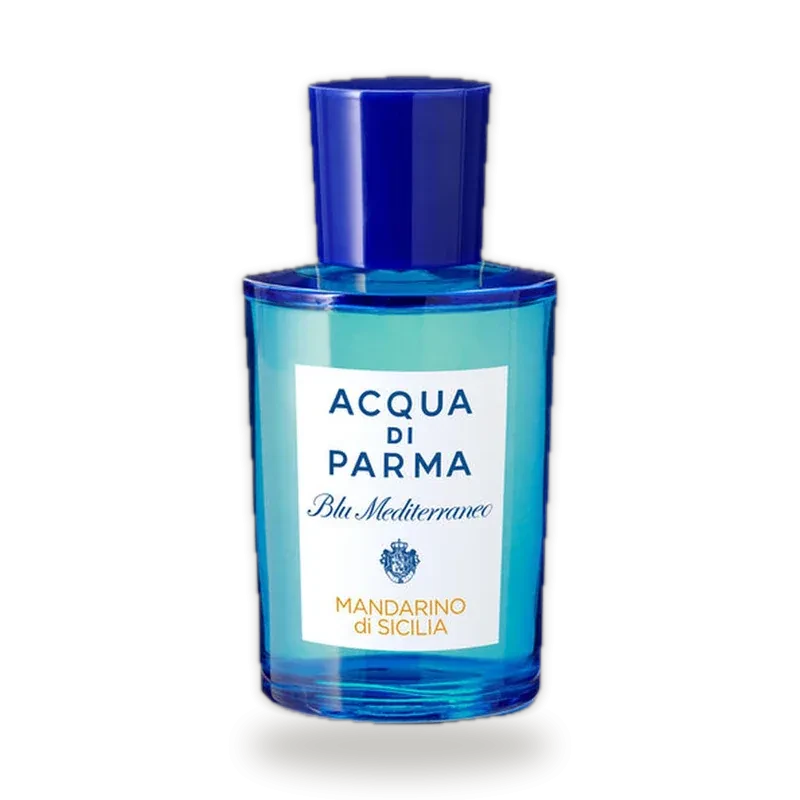
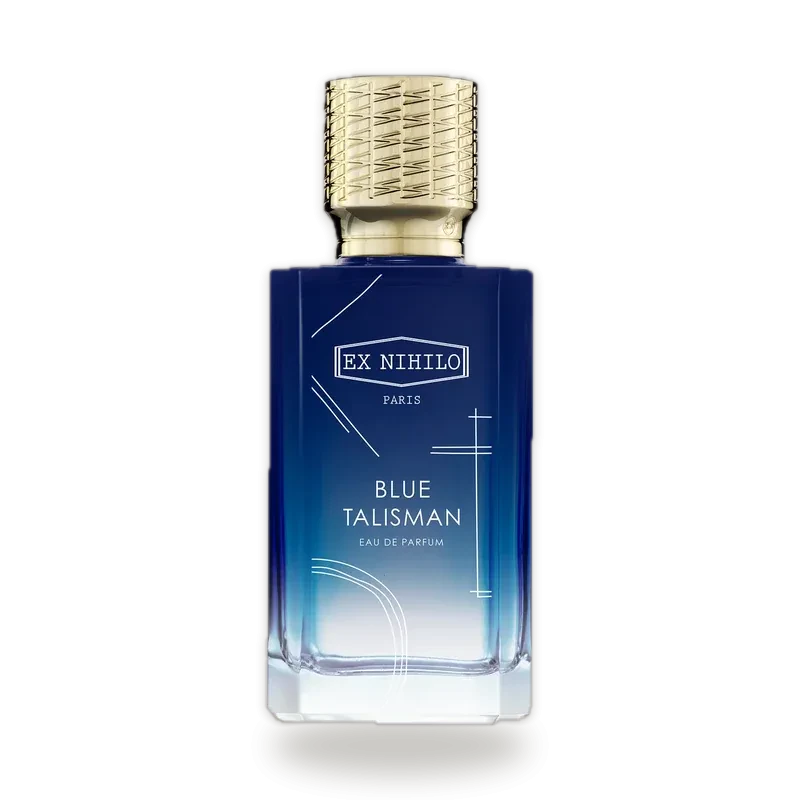
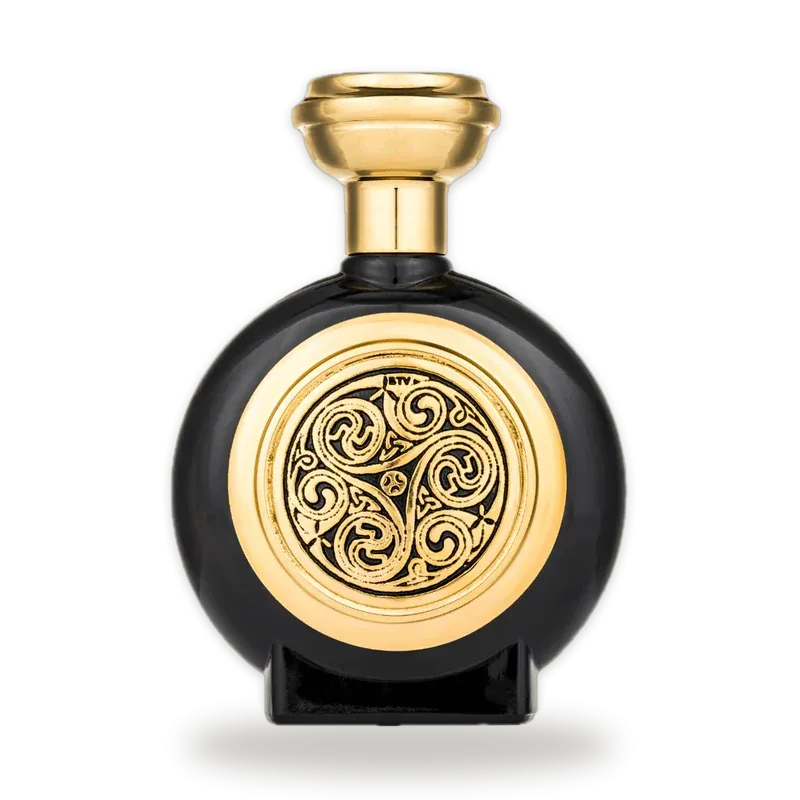
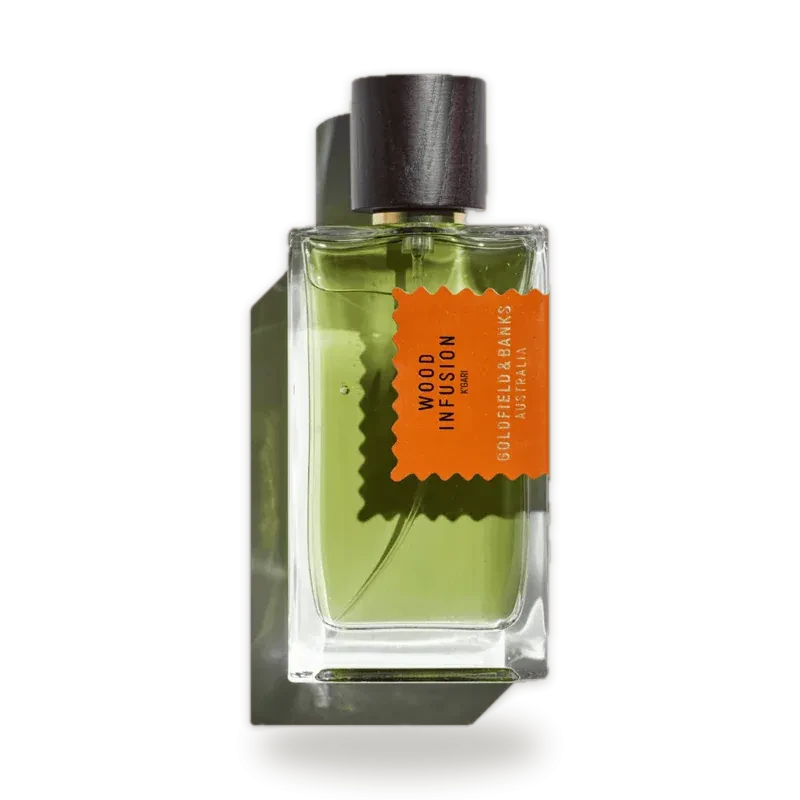
Fragrances with Musk