
- Origin
- an accord; natural material — beeswax absolute
- Raw materials
- beeswax absolute, phenylacetic acid and its esters
- Extraction
- solvent extraction of the wax; synthesis
- Olfactory group
- gourmand, amber
- Position in the pyramid
- heart and base
- Synthetic substitutes
- phenylacetic acid, methyl phenylacetate
The honey note in perfume is not honey from a jar (it gives almost no lasting scent) but an accord. Its natural basis is most often beeswax absolute, and the honeyed character is reinforced with molecules that smell of flowers and honey.
How it smells: warm, thick and sweet, with shades of wax, pollen, flowers and a faintly animalic depth. Honey makes a fragrance enveloping, sunny and a little sensual.
The main honey molecule, phenylacetic acid, smells of honey in small doses but takes on a sharp animalic shade in larger ones. So honey in perfume is delicate work: a little too much and the fragrance turns heavy.
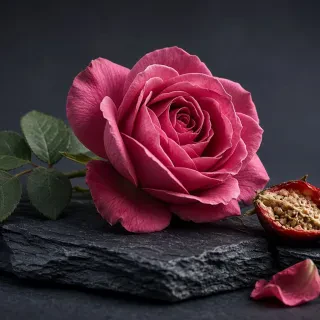
What it pairs with: with rose — a warm honeyed rose, with tobacco and rum — cosy evening fragrances, with orange blossom — sunny florals, with iris — powdery-honeyed ones, with oud and saffron — luxurious oriental compositions.
Good to know: beeswax absolute is obtained from the wax combs left after the honey is extracted — so you can smell honey, wax and flower pollen in it.
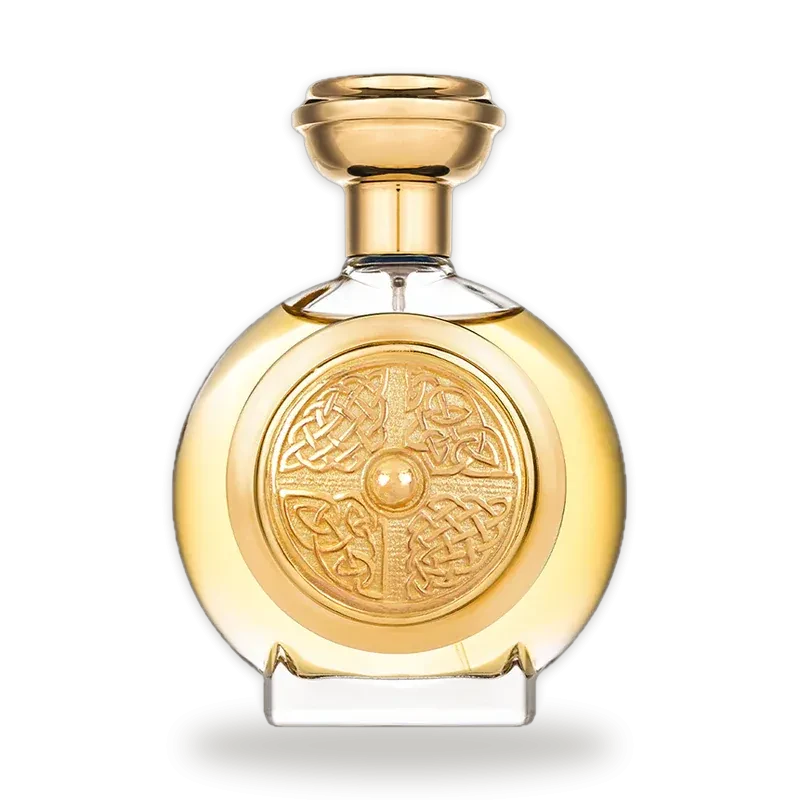
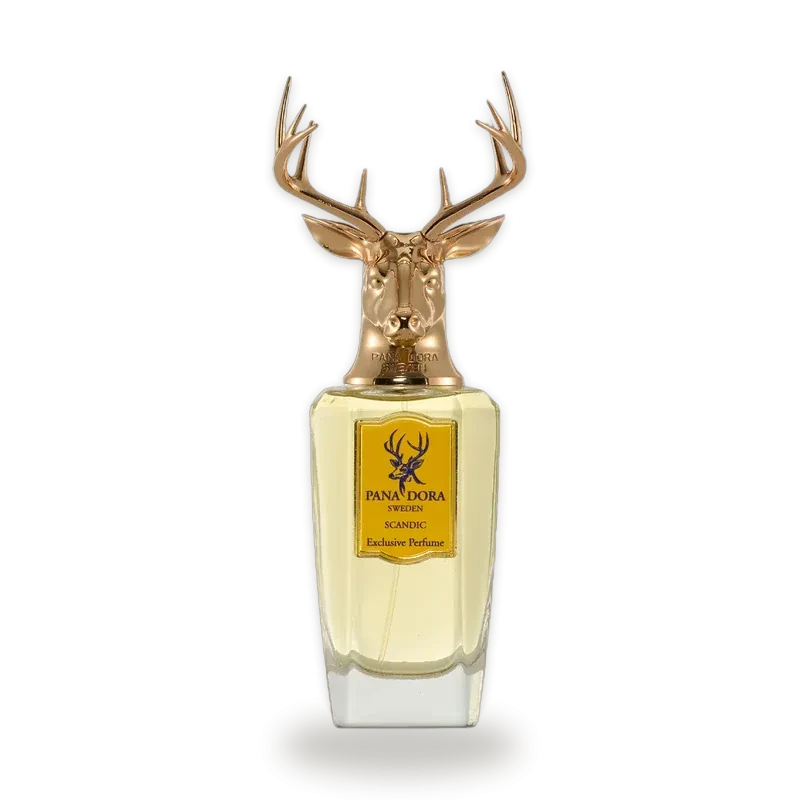
Fragrances with Honey