- Latin name
- Prunus armeniaca
- Family
- Rose family (Rosaceae)
- Origin
- the scent is created in the laboratory
- Parts used
- no material is obtained from the fruit
- Raw materials
- lactones and fruity accords
- Extraction
- synthesis
- Olfactory group
- fruity
- Position in the pyramid
- top and heart
- Synthetic substitutes
- gamma-decalactone, gamma-undecalactone
Apricot, like peach, gives no perfumery material, so its scent is created with lactones — molecules naturally present in ripe apricots, peaches and cream.
How it smells: juicy, velvety and warm: ripe flesh, sunny sweetness, a faintly creamy and floral shade. Apricot sounds more golden and slightly tarter than peach, with a light skin-like softness.
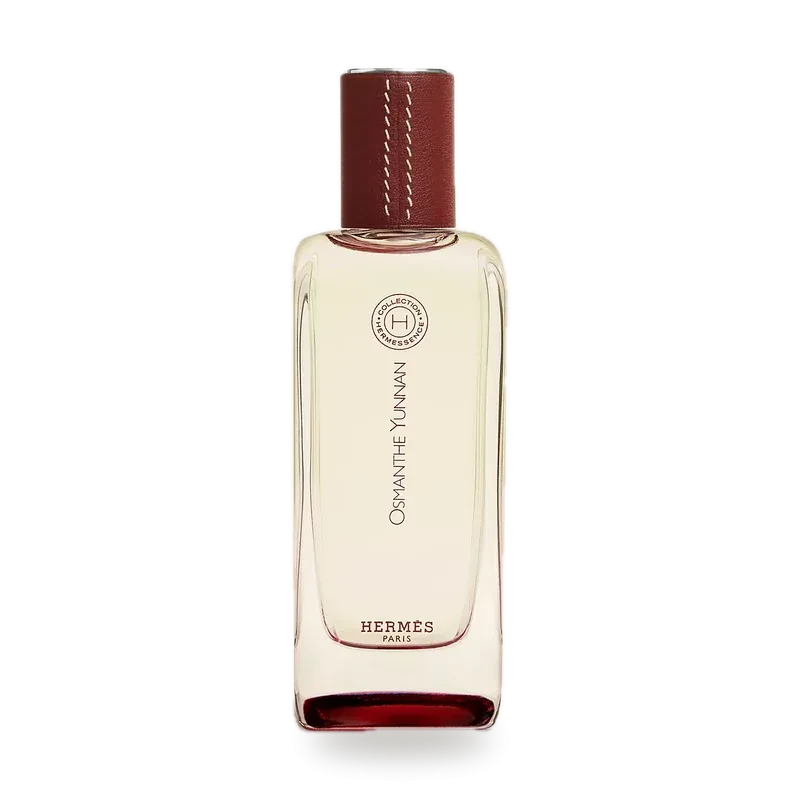
An apricot shade is naturally present in osmanthus — so these two notes often play together. And the pairing of apricot with leather and suede has become a favourite device of modern “velvety” fragrances.
What it pairs with: with osmanthus — apricot-floral classics, with leather and suede — “apricot leather”, with rose — a fruity rose, with vanilla — an “apricot dessert”, with musk — tender skin-like compositions.
Good to know: the Latin name of the apricot, armeniaca, means “Armenian”: the Romans believed the fruit came from Armenia.