

- Latin name
- Pogostemon cablin
- Family
- Mint family (Lamiaceae)
- Origin
- Indonesia (Sulawesi, Sumatra), India, the Philippines
- Parts used
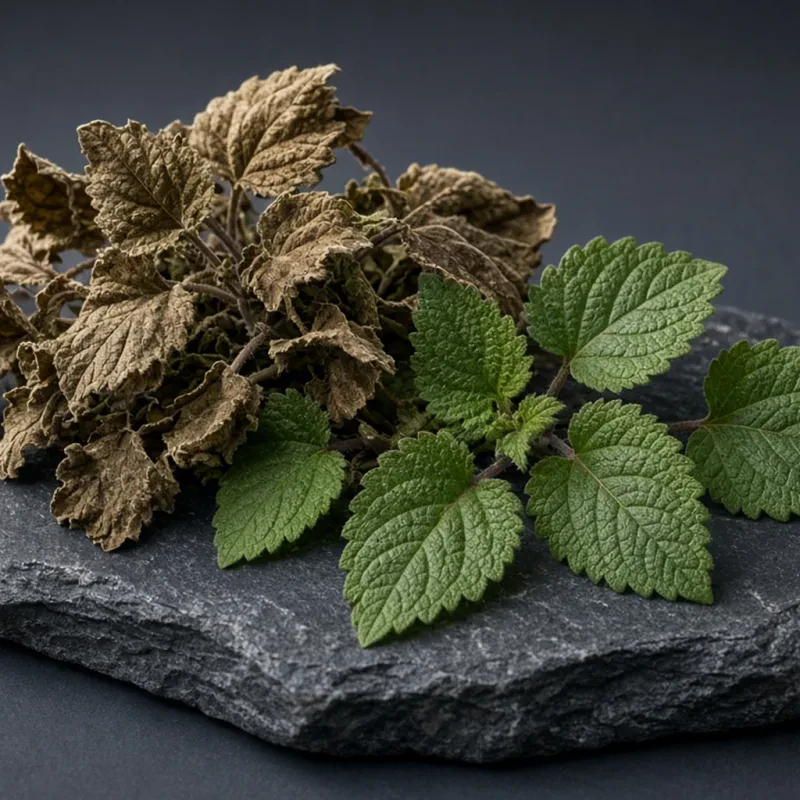
- dried and lightly fermented leaves
- Raw materials
- essential oil, “patchouli heart” (purified fraction)
- Extraction
- steam distillation of dried leaves
- Olfactory group
- woody, chypre
- Position in the pyramid
- heart and base
- Synthetic substitutes
- Clearwood (biotech patchouli), patchoulol
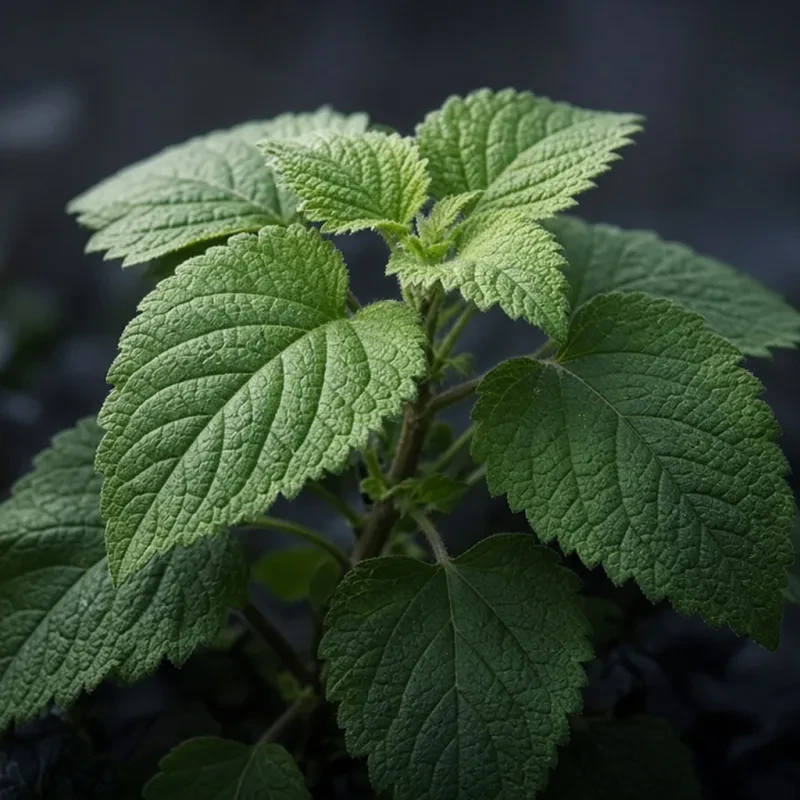
Patchouli is a small shrub of the mint family with soft, slightly downy leaves. Fresh leaves barely smell: the scent develops when they are dried and left for a few days to ferment lightly. Only then are the leaves distilled into a thick dark oil.
How it smells: an earthy, slightly damp, woody note with shades of cocoa, camphor and the autumn forest. Modern purified “patchouli heart” is lighter, chocolate-woody, without the cellar-like nuance of old oils.
Like wine, patchouli oil improves with age: the harshness fades and softness and depth appear. That is why aged oil is valued above fresh, and in perfumery it is one of the pillars of chypres and oriental fragrances.
What it pairs with: with rose — the classic “dark rose”, with vanilla and cocoa — gourmand fragrances, with bergamot and oakmoss — chypres, with oud and incense — oriental compositions. Patchouli gives a fragrance roots and longevity.
Good to know: in the nineteenth century Indian cashmere shawls were packed with patchouli leaves to protect them from moths. Europeans got so used to the smell that they considered shawls without it fakes — and that is how patchouli came into fashion.
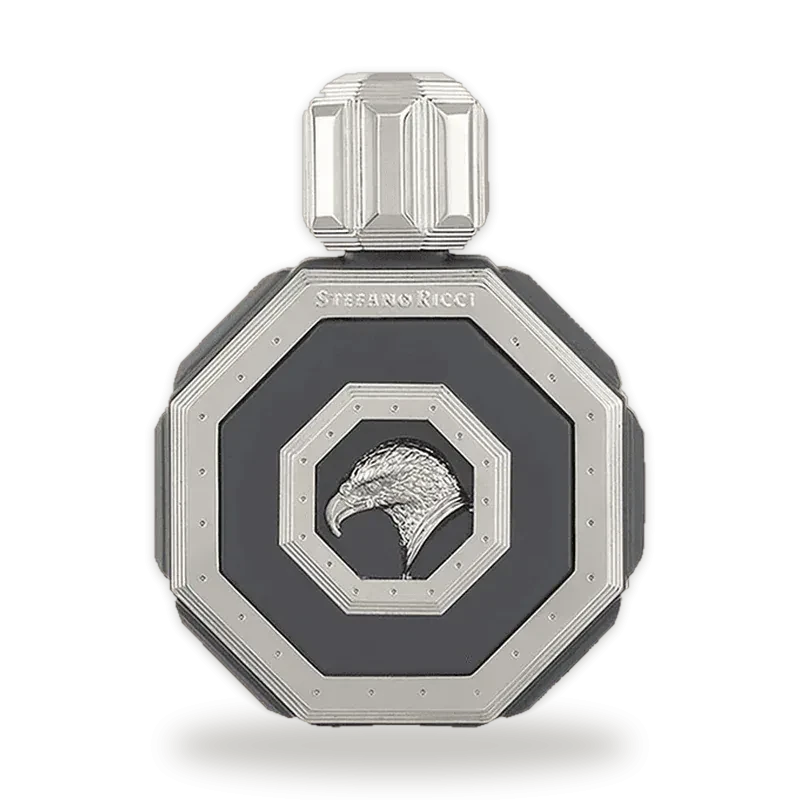
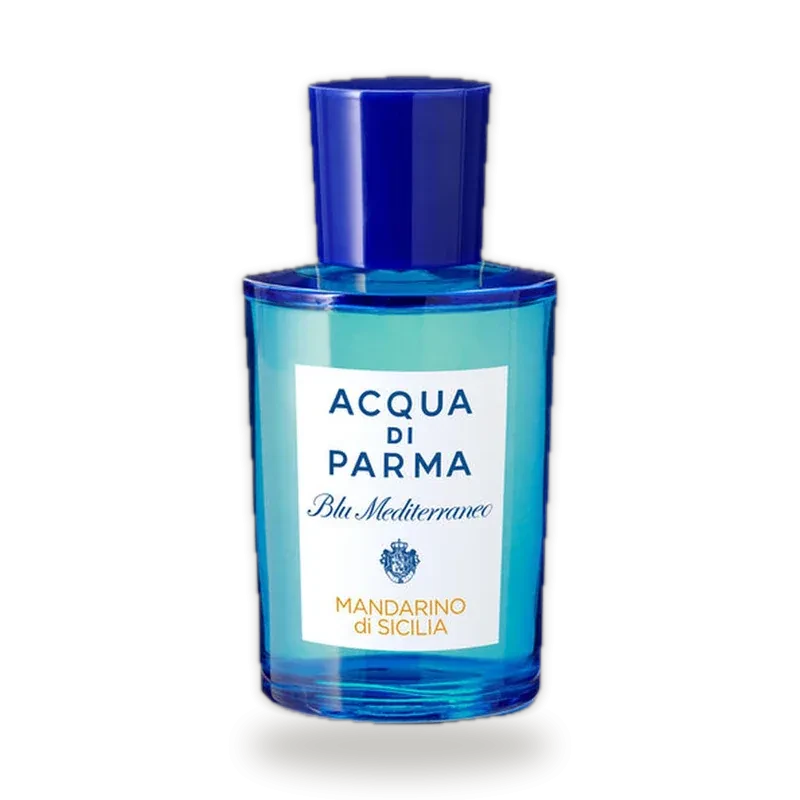
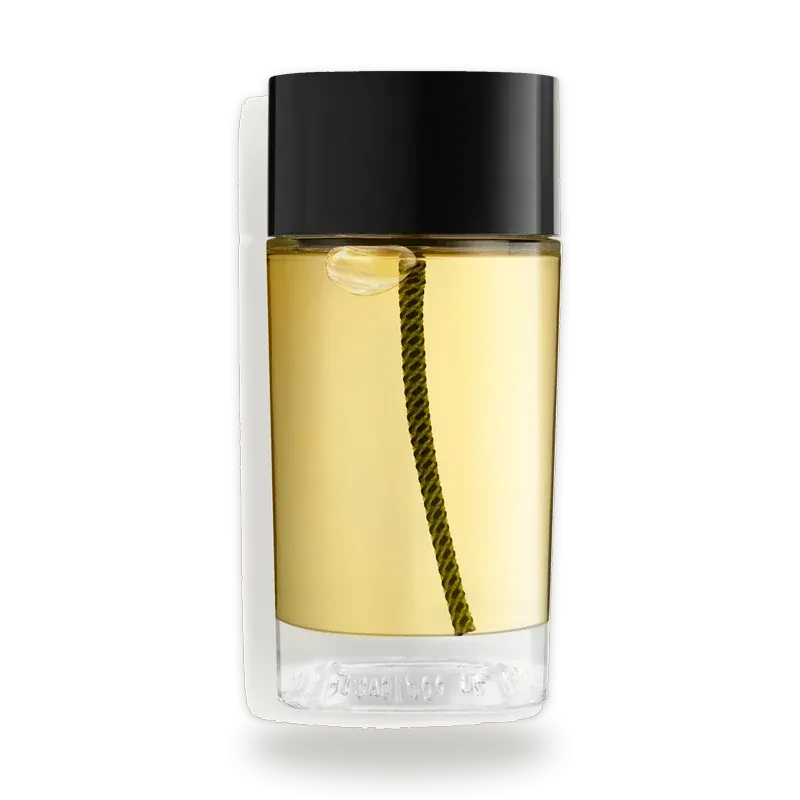
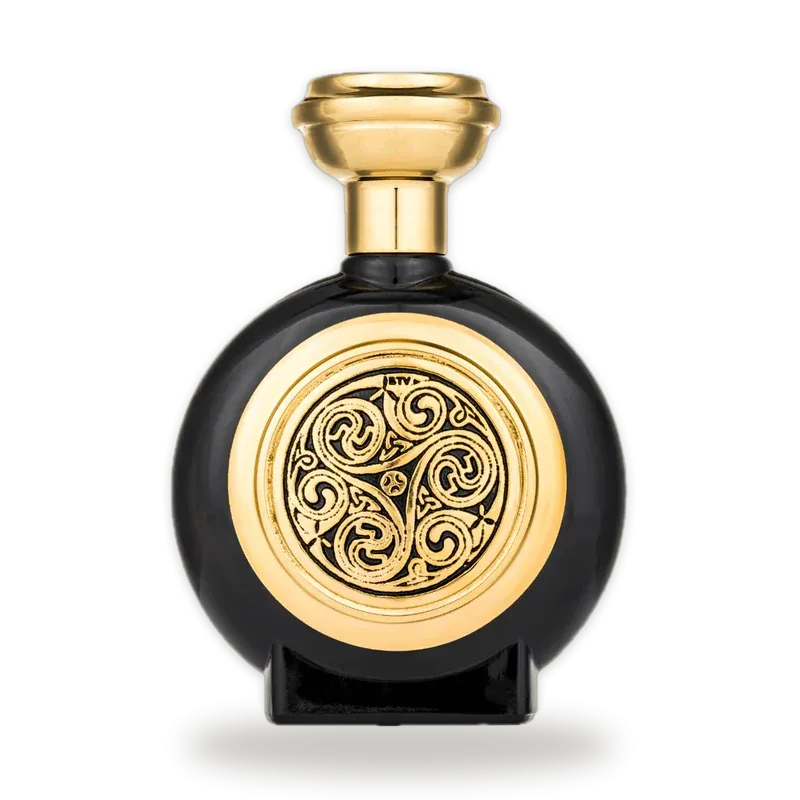
Fragrances with Patchouli