- Latin name
- Citrus sinensis (sweet), Citrus aurantium (bitter)
- Family
- Rue family (Rutaceae)
- Origin
- Brazil, USA (Florida), Italy, Spain
- Parts used
- fruit peel
- Raw materials
- essential oil
- Extraction
- cold pressing of the peel
- Olfactory group
- citrus
- Position in the pyramid
- top note
- Synthetic substitutes
- limonene, octanal, decanal (aldehydes)
Orange oil is one of the most widespread natural materials in the world: it is obtained from the peel left over from juice production. Sweet orange gives a juicy, fruity oil; bitter orange (bigarade) a tarter and more graceful one.
How it smells: sunny, sweet and juicy — like a freshly peeled orange. Bitter orange is drier, with a floral and faintly bitter shade. Orange makes the opening of a fragrance joyful and warm.
The bitter orange tree is unique in perfumery: its blossoms give neroli and orange blossom absolute, its leaves and young twigs give petitgrain, and the peel of its fruit gives bitter orange oil. Three different materials from one tree.
What it pairs with: with cinnamon, clove and vanilla — cosy “winter” fragrances, with orange blossom and jasmine — sunny florals, with bergamot and lemon — fresh colognes, with chocolate — gourmands, with vetiver — fresh woods.
Good to know: the sweet orange came to Europe from Asia with Portuguese seafarers, so in many languages it is still named after Portugal: “portokali” in Greek, “portakal” in Turkish, “portocală” in Romanian.
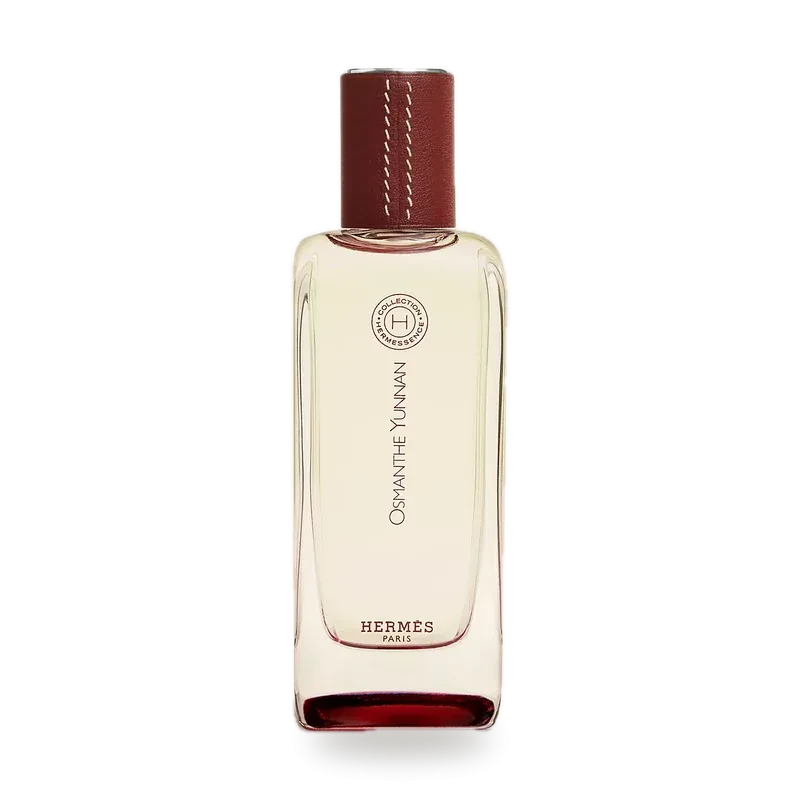
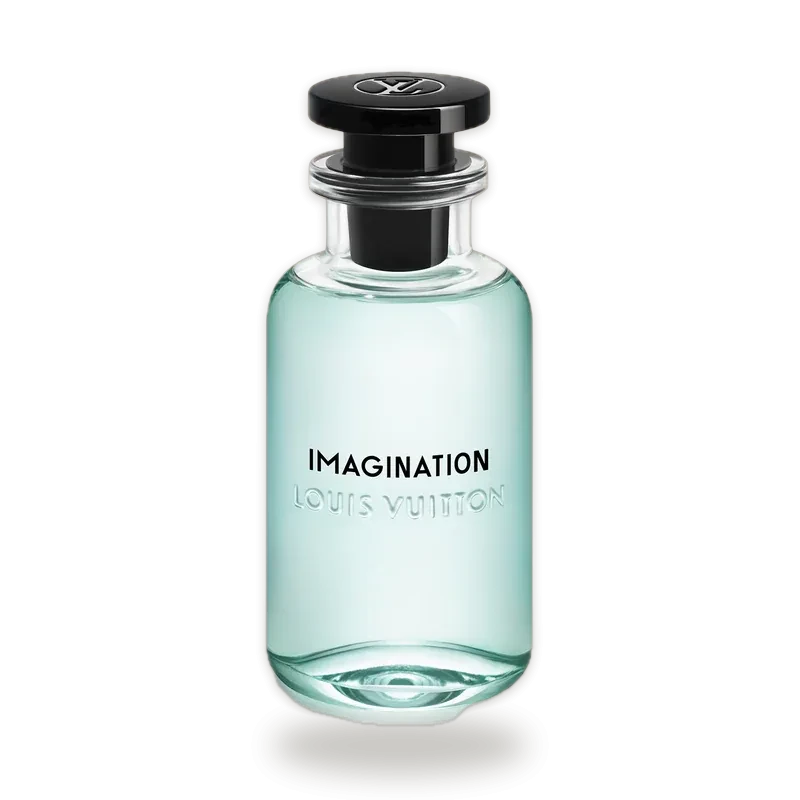
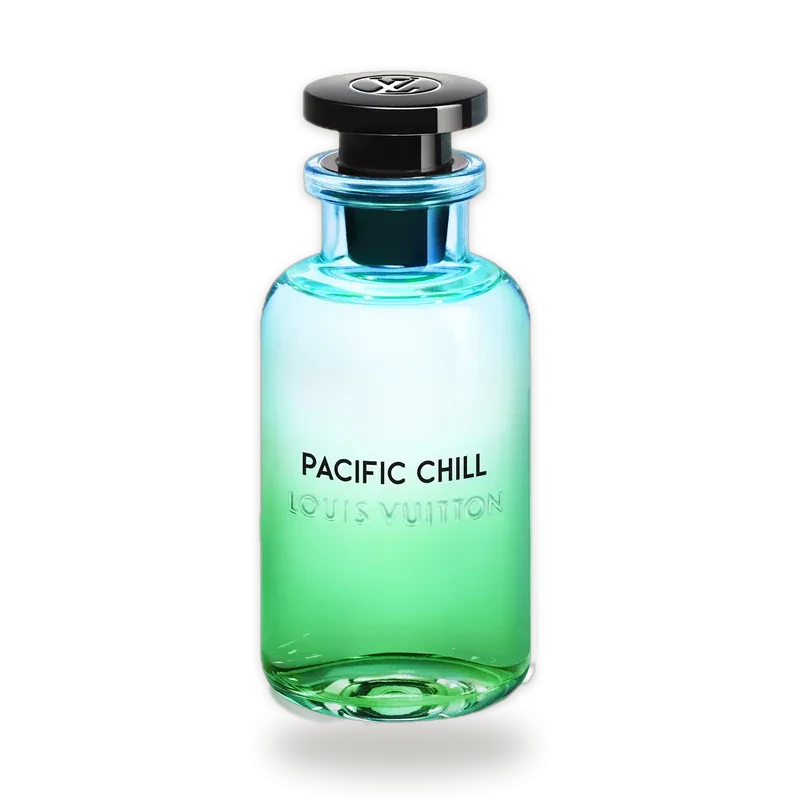
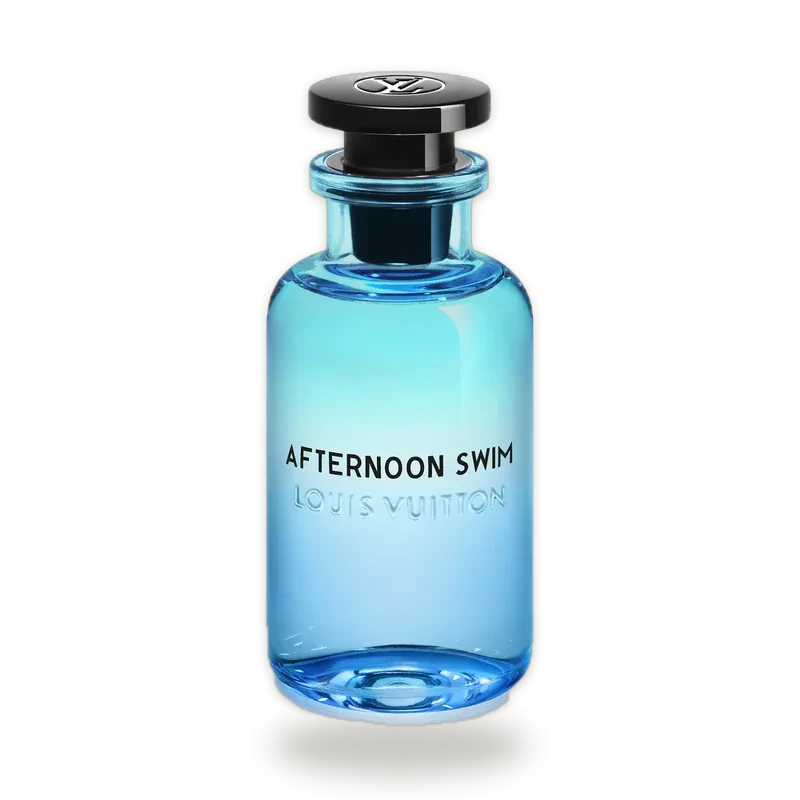
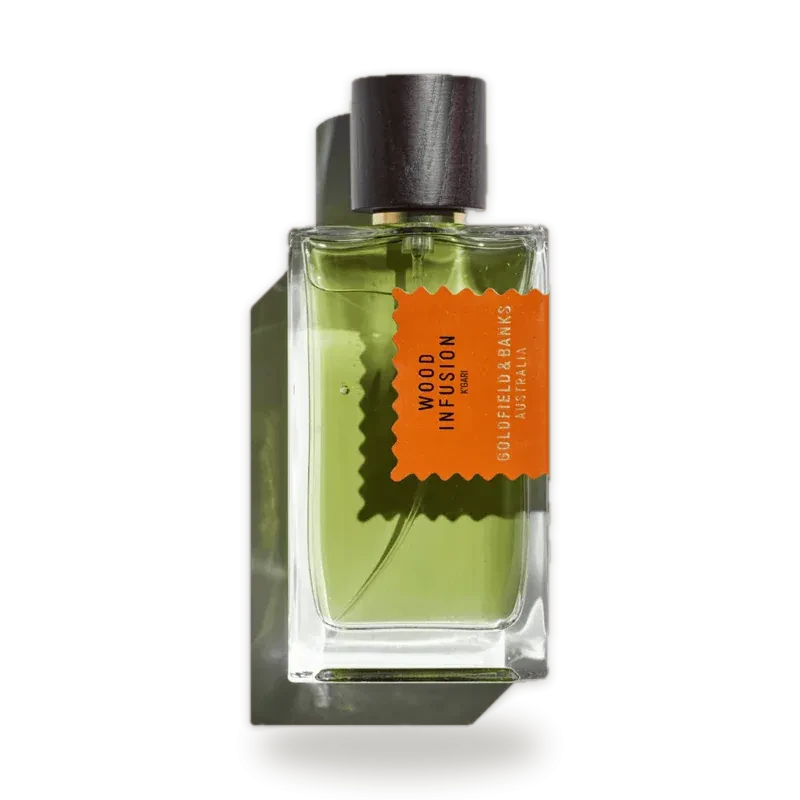
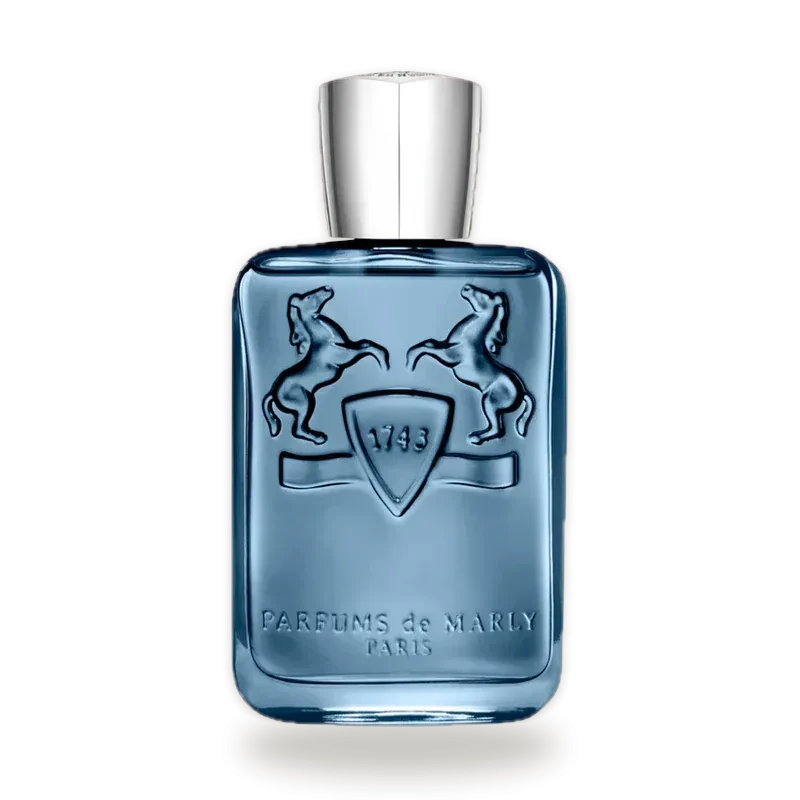
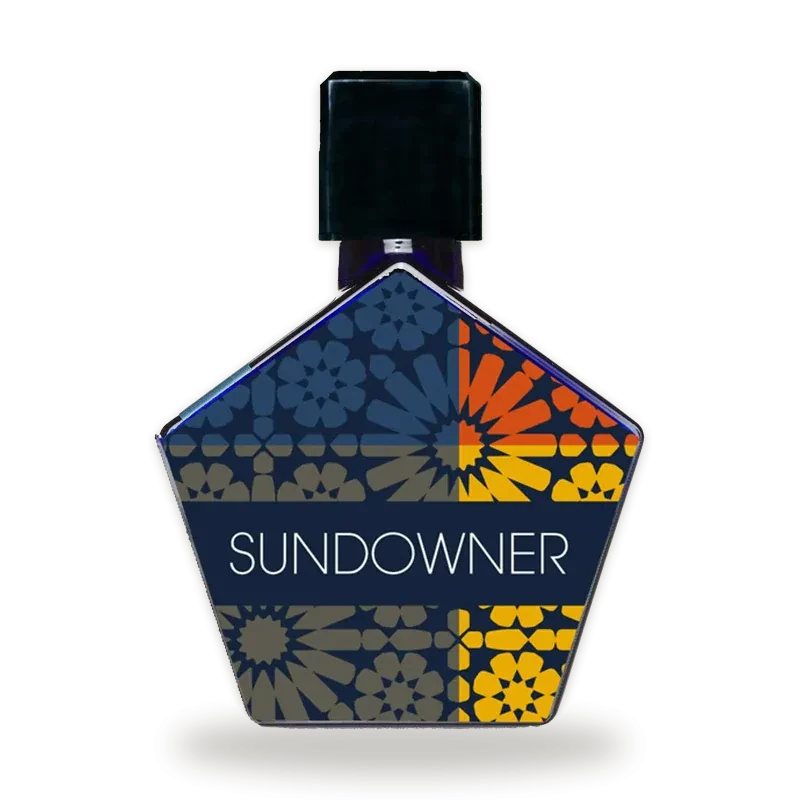
Fragrances with Orange