Neroli
19 fragrances with this note
Part of accords: Citrus, Floral, White floral, Solar
-


- Latin name
- Citrus aurantium (bitter orange)
- Family
- Rue family (Rutaceae)
- Origin
- Tunisia, Morocco, Egypt, Italy
- Parts used
- fresh bitter orange blossoms
- Raw materials
- neroli essential oil; orange flower water
- Extraction
- steam distillation of the blossoms
- Olfactory group
- citrus-floral
- Position in the pyramid
- top and heart
- Synthetic substitutes
- linalool, nerolidol, methyl anthranilate, neroli bases
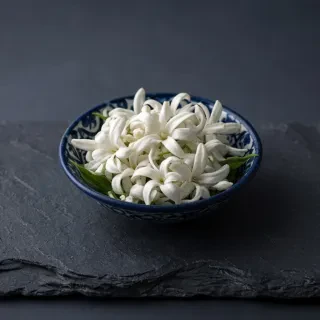
Neroli is the essential oil obtained by steam distillation of bitter orange blossoms. The flowers are picked in spring while fresh, and a tonne of blossoms yields only about a kilogram of oil — which is why neroli is rather expensive.
How it smells: fresh, bright, “soapy” clean: a green citrus bitterness, delicate white flowers and a light honeyed shade. Neroli sounds sunnier than bergamot and more transparent than orange blossom absolute.
Neroli is one of the key notes of classic colognes, alongside bergamot, lemon and rosemary. It is loved for its feel of cleanliness and a crisp white shirt, so it appears in both masculine and feminine fresh fragrances.
What it pairs with: with bergamot and petitgrain — the classic cologne, with orange blossom and jasmine — white-floral compositions, with musk — “clean skin”, with vetiver — fresh elegance, with honey — a warm sunny version.
Good to know: the name neroli is linked to an Italian princess of Nerola (Anne-Marie Orsini), who in the seventeenth century perfumed her gloves and baths with this oil.
Fragrances with Neroli