Ambrox (Ambergris)
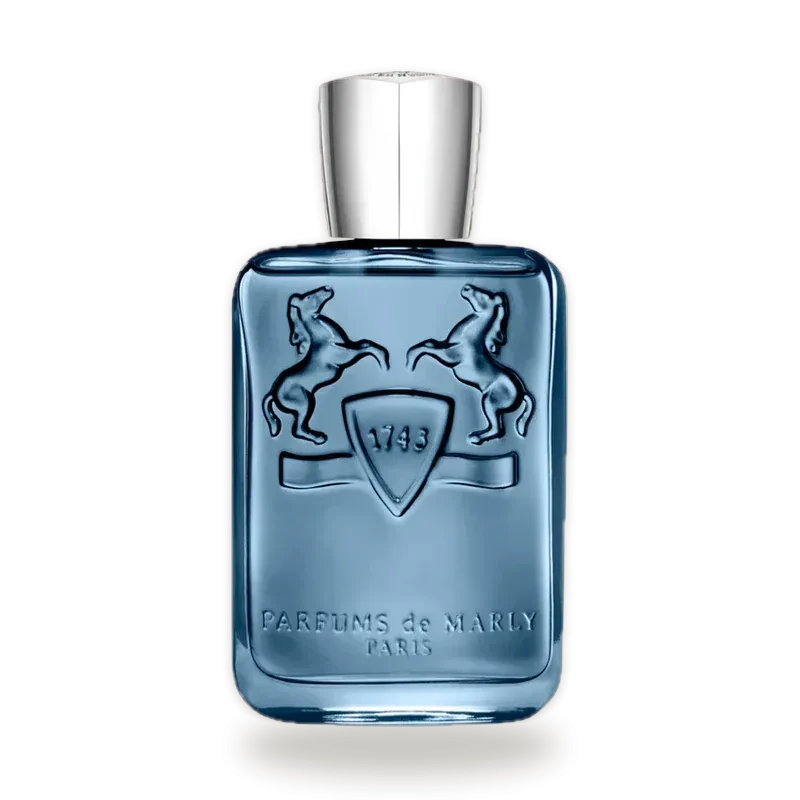
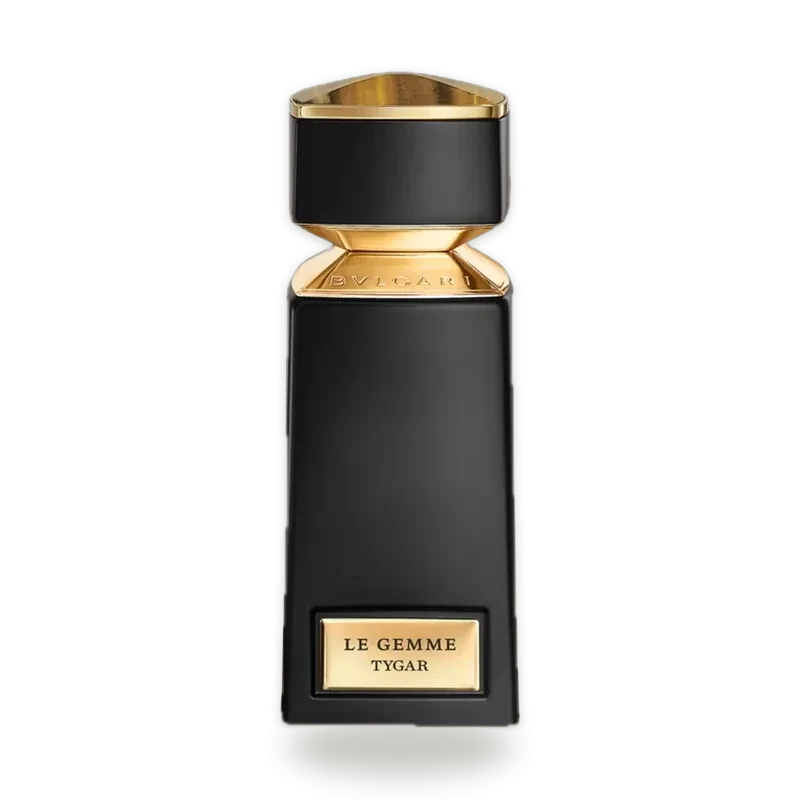
3 fragrances with this note
A variant of «Ambroxan (Ambergris)»
The same Ambroxide molecule, historically the first, dry and woody
More about «Ambroxan (Ambergris)» →- Origin
- a synthetic molecule (1950); starting material — sclareol from clary sage
- Raw materials
- Ambrox (ambroxide)
- Extraction
- synthesis
- Olfactory group
- amber, woody
- Position in the pyramid
- base
- Synthetic substitutes
- Ambroxan, Ambrofix, Cetalox
Ambrox is historically the first of the major amber molecules. It was synthesised in 1950 to recreate the key scent of ambergris and has since become one of the most important ingredients of modern perfumery.
How it smells: warm, woody, mineral and slightly salty, with a skin-like radiance and huge longevity. Ambrox sounds drier and woodier than natural ambergris but gives the same sense of luxury and volume.
Ambrox, Ambroxan, Cetalox and Ambrofix are essentially the same molecule (ambroxide) under different trade names and from different production methods. So in pyramids these names often mean the same note.
What it pairs with: with citrus and pepper — modern fresh fragrances, with woods and vetiver — dry woody-amber compositions, with vanilla — warm salty sweetness, with rose — a mineral rose, with marine notes — “skin after the sea”.
Good to know: the Ambrox molecule was found by studying the composition of ambergris, and chemists then learned to synthesise it from a plant material — clary sage.