Orange Blossom (Tunisia)
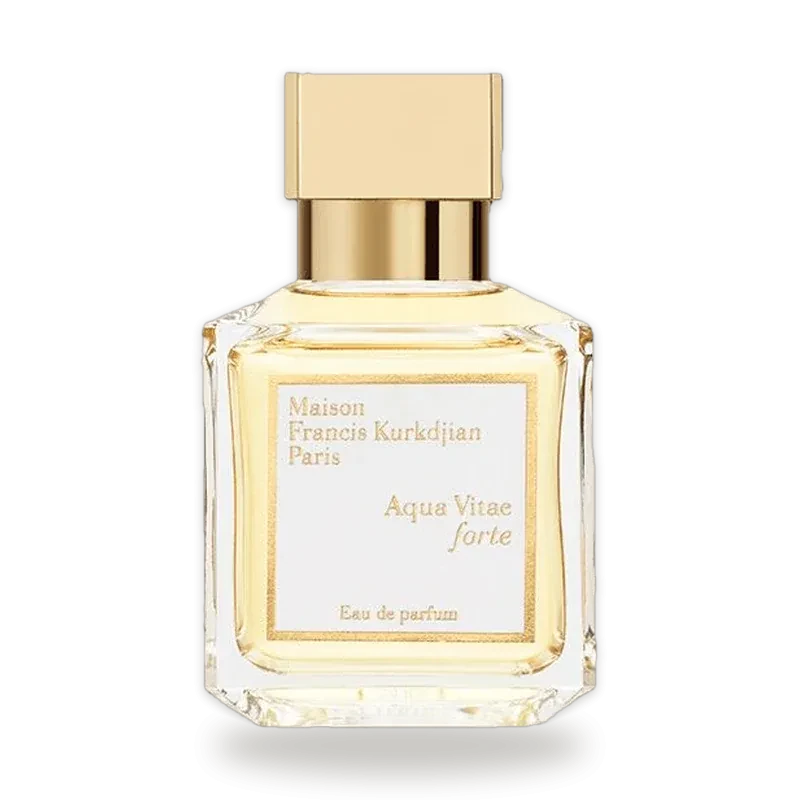
2 fragrances with this note
Part of accords: Floral, White floral, Solar
A variant of «Orange Blossom»
Tunisian: fresh, honeyed-green, one of the finest
More about «Orange Blossom» →- Latin name
- Citrus aurantium (bitter orange)
- Family
- Rue family (Rutaceae)
- Origin
- Tunisia (Nabeul, Cap Bon)
- Parts used
- bitter orange blossoms picked in spring
- Raw materials
- neroli, orange blossom absolute, orange flower water
- Extraction
- steam distillation (neroli), solvent extraction (absolute)
- Olfactory group
- floral (white flowers)
- Position in the pyramid
- heart
- Synthetic substitutes
- methyl anthranilate, linalool, nerolidol
Tunisia is one of the world's main “capitals” of orange blossom. Every spring the bitter orange groves on the Cap Bon peninsula near the town of Nabeul are covered in white flowers, which are picked by hand for several weeks in a row.
How it smells: Tunisian orange blossom is considered one of the finest: fresh, honeyed and green at the same time, with a bright white-floral cleanness and a light citrus shade. It sounds sunny but not heavy.
Tunisian blossoms give neroli, absolute and orange flower water. The latter is part of local cooking and tradition: it is added to sweets, coffee and dishes, and many families still distil it at home.
What it pairs with: with jasmine and tuberose — luxurious white-floral bouquets, with bergamot and petitgrain — fresh colognes, with honey and vanilla — warm sunny compositions, with musk — clean “fresh laundry” scents, with incense — solemn florals.
Good to know: every spring Nabeul holds an Orange Blossom Festival: the town smells of flowers, and local families demonstrate the traditional home distillation of flower water.