
- Family
- Rue family (Rutaceae)
- Origin
- the Mediterranean, South and Central America, Asia
- Parts used
- fruit peel (as well as flowers and leaves)
- Raw materials
- essential oils of bergamot, lemon, orange, mandarin, grapefruit, lime
- Extraction
- cold pressing of the peel
- Olfactory group
- citrus (hesperidic)
- Position in the pyramid
- top note
- Synthetic substitutes
- limonene, citral, aldehydes
“Citrus” in fragrance pyramids is a general name for a blend of citrus oils, used when the perfumer does not single out one fruit but creates an overall citrus opening: a little bergamot, lemon, orange, mandarin or grapefruit.
How it smells: fresh, juicy and lively, like freshly peeled fruit: tartness, sweetness and a faintly bitter zest. Citruses are the lightest and most joyful notes in perfumery, “switching on the light” in the first minutes.
Citrus oils are very volatile, so they last the shortest: they create the first impression and then give way to flowers and woods. To make the freshness last longer, perfumers often support them with synthetic molecules.
What it pairs with: practically everything: with neroli and rosemary — colognes, with flowers — sunny bouquets, with vetiver and cedar — fresh woods, with tea — tea compositions, with musk — clean, light fragrances.
Good to know: perfumers call citruses “hesperidic” after the Garden of the Hesperides in Greek myth, where golden apples grew — thought to be the prototype of oranges.
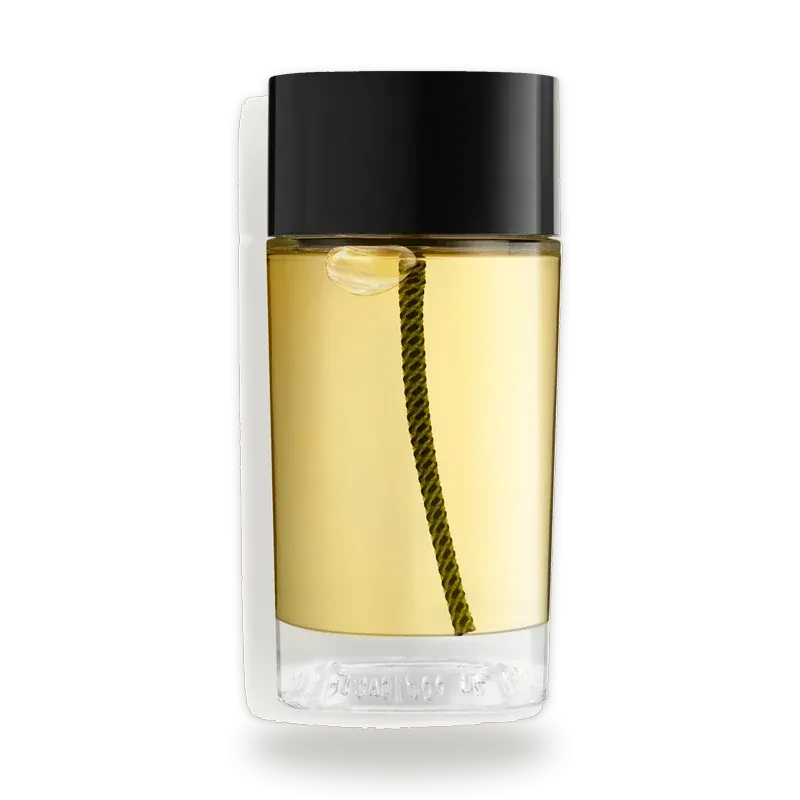
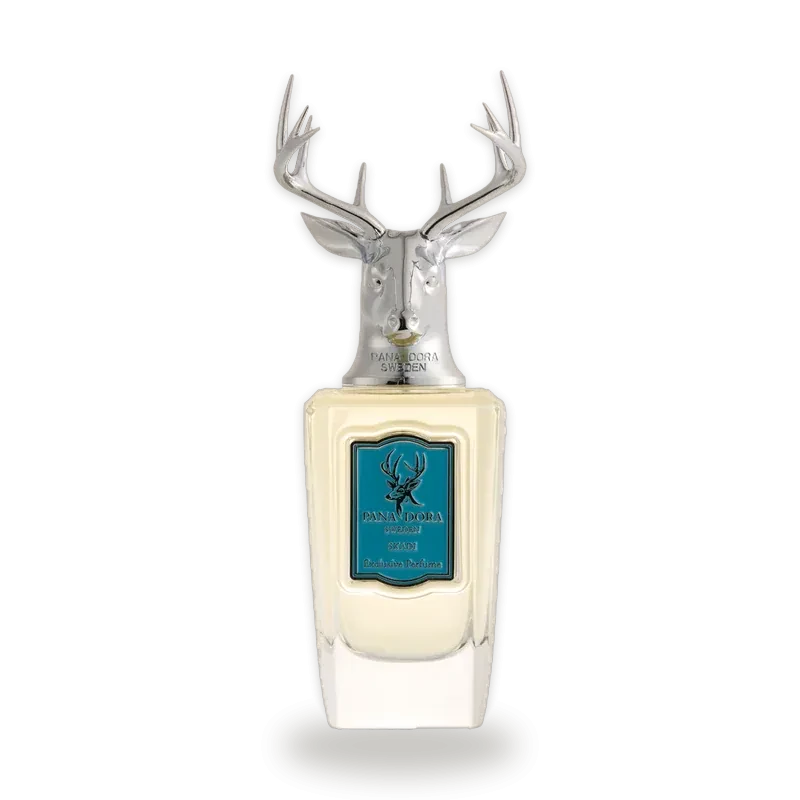
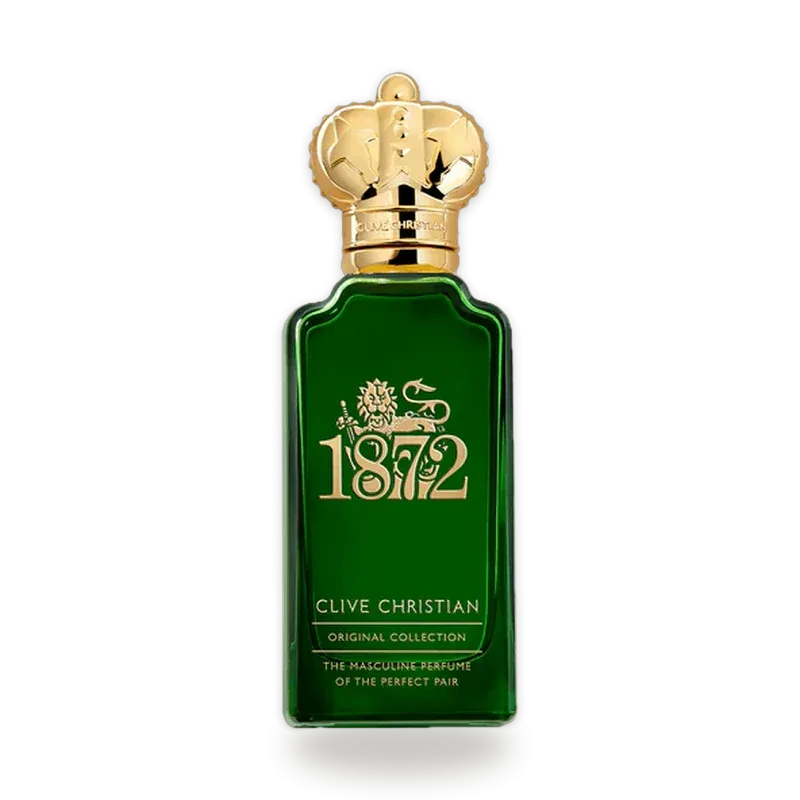
Fragrances with Citrus