
- Origin
- a synthetic molecule (created in 1966)
- Raw materials
- Calone (watermelon ketone)
- Extraction
- synthesis
- Olfactory group
- marine, fresh
- Position in the pyramid
- top note and heart
- Synthetic substitutes
- marine and aquatic molecules
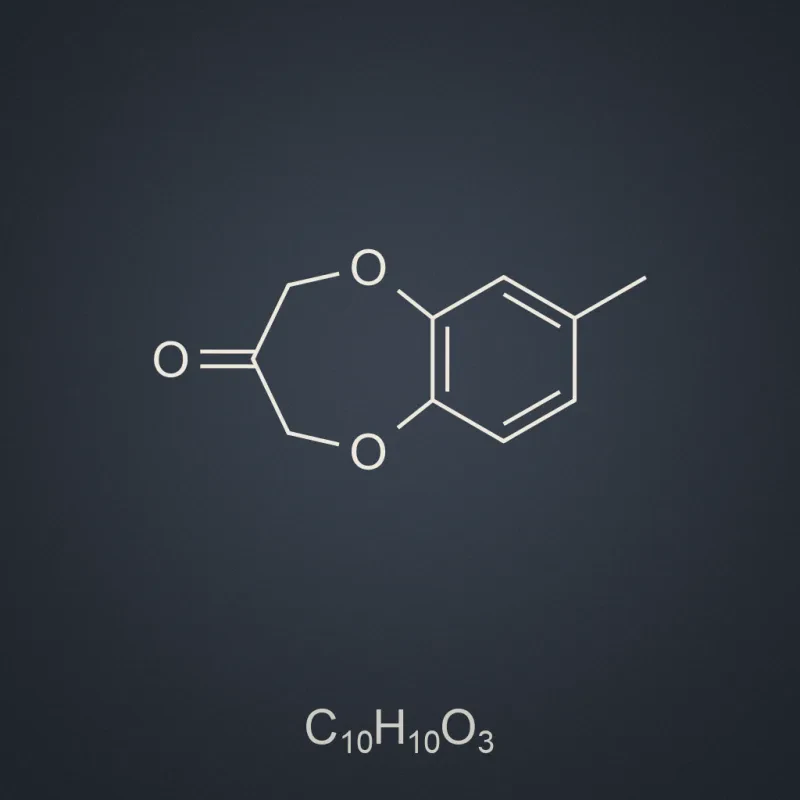
Calone is a synthetic molecule created in 1966 that became the symbol of marine fragrances. It gave the perfumery of the 1990s its famous smell of fresh sea breeze and watermelon.
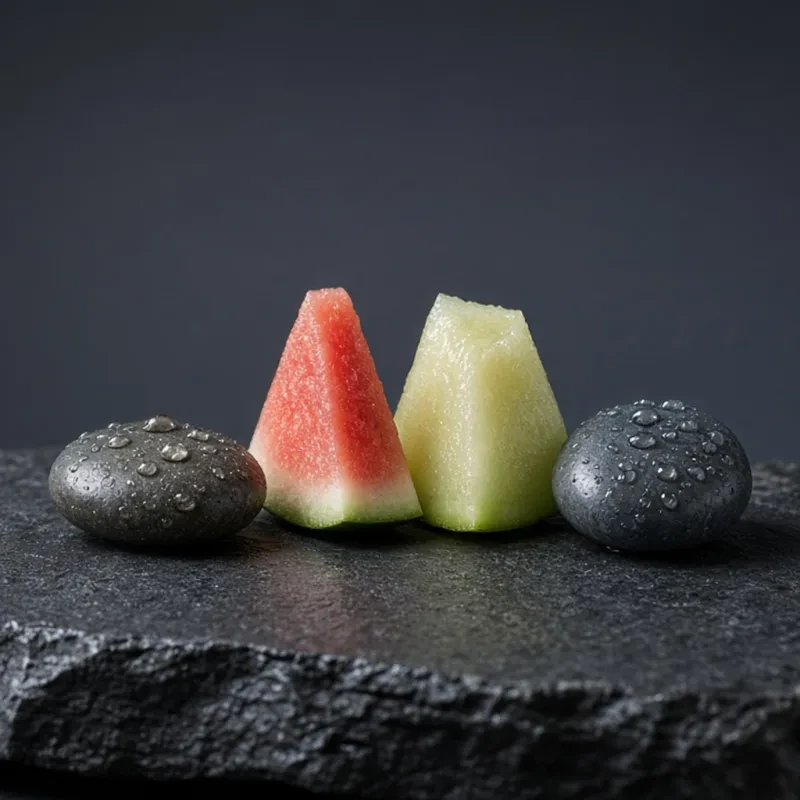
How it smells: fresh, watery and faintly fruity: sea air, wet rocks, a light watermelon and melon shade, mineral coolness. Calone sounds bright and recognisable — in large doses even somewhat harsh.
Calone is very strong, so modern fragrances use it in measured doses — as a spark of freshness rather than a foundation. Its English name, watermelon ketone, points directly to its characteristic watermelon shade.
What it pairs with: with marine notes and seaweed — classic marine fragrances, with citrus — lively summer freshness, with melon and watermelon — juicy fruity compositions, with lavender and sage — fresh fougères, with cedar and amber — a clean woody base.
Good to know: the Calone molecule was discovered in the laboratory of a pharmaceutical company that was looking for something entirely unrelated to perfume — and over time it changed a whole direction in perfumery.

