


- Latin name
- Pyrus communis
- Family
- Rose family (Rosaceae)
- Origin
- the scent is created in the laboratory
- Parts used
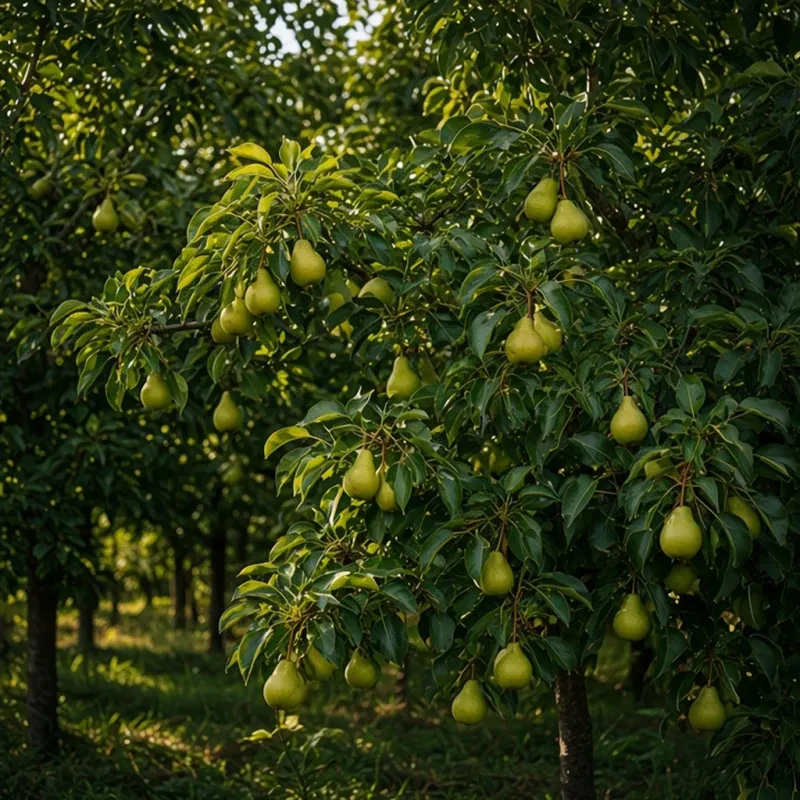
- no perfumery material is obtained from the fruit
- Raw materials
- fruity esters and accords
- Extraction
- synthesis
- Olfactory group
- fruity
- Position in the pyramid
- top note
- Synthetic substitutes
- “pear ester” (ethyl decadienoate), hexyl acetate
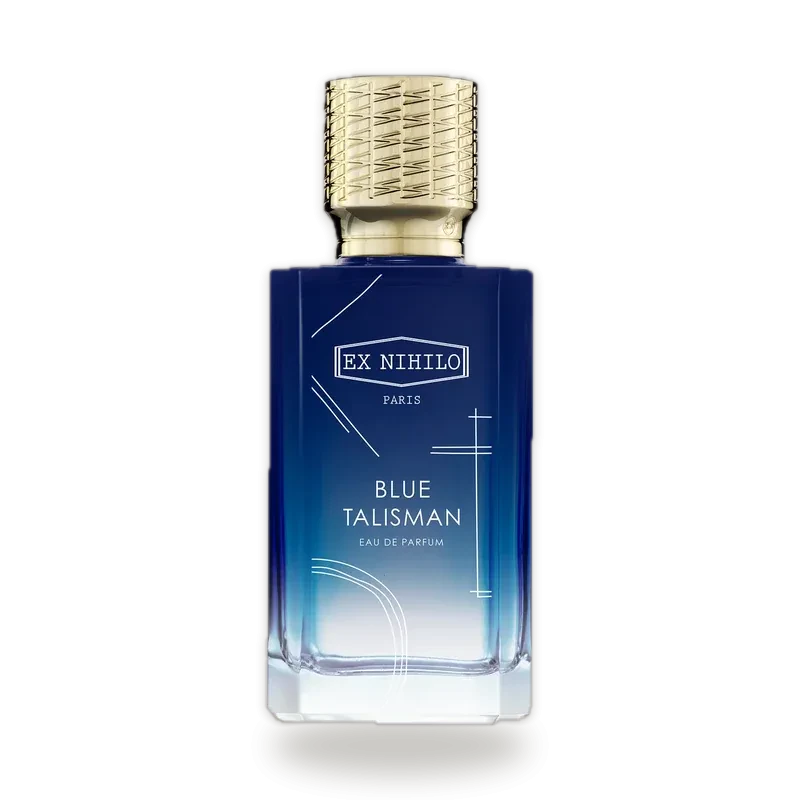
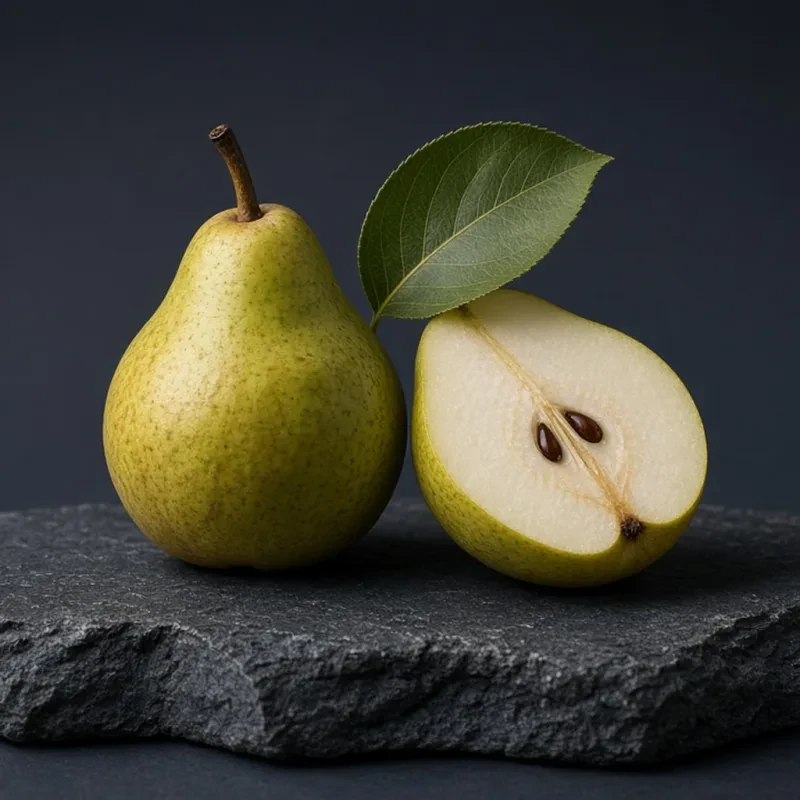
Pear, like other fruits, gives no perfumery material, so its scent is composed from fruity esters. The best known is the so-called “pear ester”, a molecule naturally present in ripe pears that gives them their juicy smell.
How it smells: juicy, fresh and gently sweet: a ripe soft pear with light green skin and a faintly floral, watery shade. Pear sounds cleaner and softer than apple, without its sourness.
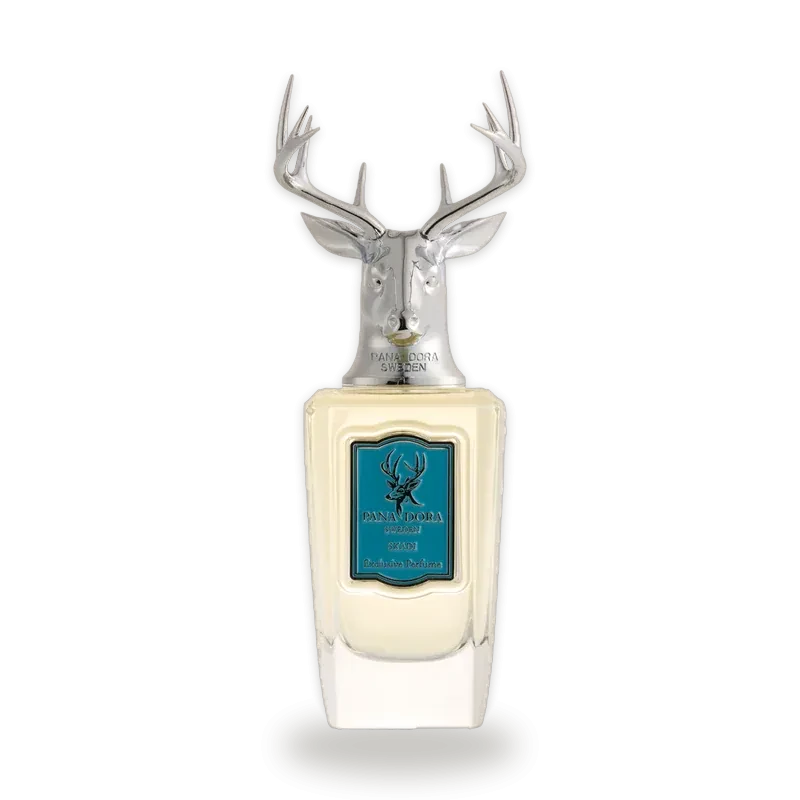
Pear is one of the favourite notes of modern clean and feminine fragrances: it makes the opening transparent and bright, and with musk and flowers it gives a sense of freshness and tenderness.
What it pairs with: with freesia and rose — tender fruity florals, with musk — clean skin scents, with vanilla and caramel — “caramelised pear”, with patchouli — a fruity chypre, with ambrette — soft musky freshness.
Good to know: a pear-like shade is naturally present in ambrette seeds too — which is why plant musk and pear sound so harmonious together in perfume.